How long do anxiety attacks last? If you mean a sudden panic attack, the most intense part usually passes within 5 to 20 minutes, although some attacks last longer. If you mean a wave of anxiety that builds around a stressful thought or situation, there is no reliable minute-by-minute limit: it may ease in minutes, linger for hours, or return in waves.
“Anxiety attack” is an everyday description, not a formal diagnosis. A panic attack is a more specific episode of sudden, intense fear or discomfort, often with a racing heart, shaking, dizziness, or shortness of breath. Feeling tired or uneasy afterward does not necessarily mean the peak of the attack is still happening. If symptoms are new, severe, or could signal a medical emergency, get medical help rather than trying to time them at home.
The distinction matters because a search for one number can leave you more worried when your experience does not match it. I find it more useful to ask three separate questions: How long did the sharpest surge last? How long did it take my body to settle? And how long have I been worried about another episode? Those answers can describe very different parts of the same experience.
The short answer depends on what you mean by “attack”
The NHS says most panic attacks last 5 to 20 minutes, with some reported to last up to an hour. The National Institute of Mental Health (NIMH) describes a range from a few minutes to an hour or sometimes longer. These figures describe the episode of panic, not a promise that every symptom will vanish at minute 20.
An “anxiety attack” is harder to put on a clock. People use the phrase for a sudden rush of fear, a gradual escalation of worry, or a particularly difficult stretch of ongoing anxiety. An NHS talking-therapy service explains that the term is not a formal diagnosis and that anxiety may build over hours or days. There is no standard duration for all these experiences.
| Experience | Typical pattern | What its duration tells you |
|---|---|---|
| Panic attack | Sudden surge that rises quickly; often 5–20 minutes, sometimes longer | The intense episode has a beginning and an easing point, even if you feel unsettled afterward. |
| Intense anxiety without a clear panic peak | Worry or tension builds and fluctuates over minutes, hours, or longer | There is no single clinically defined “attack length” to compare with a stopwatch. |
| Worry after an episode | Fear of another attack can continue after physical symptoms ease | This is worth discussing if it starts changing your routines or choices. |
Panic and ongoing anxiety can also occur together.
Why can an attack feel as if it lasts for hours?
Imagine you felt a sudden wave of fear at 2:00, your heart was pounding hardest at 2:08, and by 2:25 you could speak comfortably again. You might still feel shaky at 3:00 and keep checking your pulse all afternoon. Saying “it lasted all afternoon” makes sense in ordinary conversation, but it blends the peak, the recovery, and the worry afterward.
I would separate those phases when describing the episode to a clinician. The difference gives them more useful information than a single duration estimate and makes it easier to spot whether there were several surges rather than one uninterrupted event.
The rapid rise
A panic attack often arrives abruptly and reaches its worst point within minutes. One NHS talking-therapy resource describes the physical symptoms as peaking in under 10 minutes. That quick rise is one reason the sensation can be so alarming: your body can feel dramatically different before you have time to work out what is happening.
Anxiety tied to an upcoming conversation, a health concern, or an uncertain decision may build more gradually. It can feel intense without following the classic panic-attack curve.
The easing phase
The sharpest fear may fall before your heartbeat, breathing, concentration, or sense of steadiness feels normal again. People also differ in which symptom they notice most. You might call the episode over when you can resume an activity; someone else might wait until every physical sensation has faded.
“How long until I feel completely fine?” has a less predictable answer than “How long does the peak usually last?”
The second wave
Sometimes symptoms dip and rise again. You may be responding to the original stressor, noticing a bodily sensation and becoming frightened by it, or having another distinct surge. From the inside, this can feel like one very long attack.
Note whether there was a quieter interval. “Two strong peaks about half an hour apart” is more useful than forcing a complex afternoon into one number.
Panic attack or anxiety attack: what clues help?
The speed and shape of the episode can offer clues. A panic attack usually comes on suddenly, peaks quickly, and has prominent physical sensations or an overwhelming sense of danger. Intense anxiety may rise as thoughts about a problem gather momentum; it can fluctuate.
Physical symptoms can overlap. NIMH lists a pounding heart, sweating, trembling, breathing difficulty, dizziness, tingling, chest pain, and nausea among possible panic symptoms. Anxiety can also involve restlessness, poor sleep, muscle tension, and trouble concentrating, according to its guidance on generalized anxiety disorder.
Ask yourself how it started, what you were thinking about, when it became most intense, and whether the feeling subsided or stayed in the background. These questions help you explain your experience. They cannot rule out a physical condition, and having a recognizable trigger does not prove that an episode was harmless.
Does a panic attack always come “out of nowhere”?
No. An attack can seem unexpected, but panic can also occur in a feared situation or during a stressful period. Some people wake from sleep with panic symptoms. NIMH notes that panic attacks can happen at any time, including during sleep.
If you were anxious before the sudden surge, describe both: “I worried for two hours, then had ten minutes of intense physical panic.”
Can one episode turn into panic disorder?
One panic attack does not by itself mean you have panic disorder. NIMH explains that the disorder involves recurrent, unexpected attacks along with at least a month of worry about further attacks, concern about what they mean, or behavior changes to avoid them.
A single attack can be frightening and deserve attention. Repeated attacks, avoidance, or persistent fear are especially good reasons to seek an assessment.
What affects how long the experience feels?
There is no formula that predicts the end time. The underlying stressor, sleep, stimulants, physical health, and how you respond to symptoms can all affect the experience. Someone waiting for exam results may remain anxious long after one burst of breathlessness fades; someone else may have an abrupt episode with little worry afterward.
The stressor may still be there
If the thing you fear remains unresolved, your mind may return to it as soon as the physical surge settles. That does not mean your body is permanently stuck in an attack. It means the anxiety has a continuing subject. Ongoing anxiety can fluctuate and may worsen during stressful periods, as NIMH describes.
Name that subject plainly: “The pounding has eased; I am still worried about tomorrow’s appointment.”
The fear of symptoms can keep the cycle going
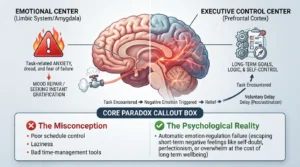
A racing heart can feel threatening. You notice it, become more frightened, and monitor it even more closely. The NHS describes how fear of another attack can lead to avoiding situations and living in “fear of fear.” The aftermath can therefore occupy far more time than the original surge.
If you find yourself canceling plans, avoiding travel, or repeatedly seeking reassurance because another episode might happen, mention those changes when you ask for help. The effect on your life matters at least as much as the number of minutes on the clock. If avoiding situations also means putting off tasks that make you anxious, that pattern may be worth exploring.
Similar sensations can have other causes
Caffeine can make some people feel more anxious and notice a faster heartbeat. Poor sleep can leave you less able to cope with anxious feelings. But symptoms such as palpitations, chest pain, and breathlessness can also come from conditions other than anxiety. A timeline cannot tell you the cause on its own.
Do not assume that a longer episode is “just anxiety,” or that a short one must be panic. A healthcare professional can review your symptoms, medicines, health history, and whether an examination or tests are needed.
What can I do while the symptoms are happening?
First, check whether you need urgent medical care. If the symptoms are familiar, a clinician has previously evaluated them, and there are no warning signs, the goal is to get through the surge safely rather than force it to stop on command.
If possible, pause where you are and put both feet on the floor. If you are driving, pull over safely. Let your breathing slow without trying to take huge gulps of air or hold it to meet a number. The NHS recommends staying where you are when possible, breathing slowly, and reminding yourself that the attack will pass.
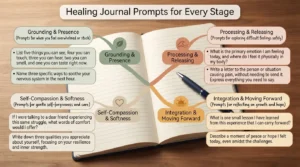
Notice a few concrete details around you: the texture of the chair, the color of a wall, the sounds you can hear. This can give your attention something steady to return to when thoughts are racing. It is a coping option, not a guarantee that every symptom will disappear immediately.
If another person is nearby, you can say what you need in one sentence: “I’m feeling panicky; please sit with me for a few minutes.” If you are alone, you might contact someone you trust. When the intensity eases, drink water if you want it, allow yourself a little time, and decide what you actually need next.
I would avoid checking the clock every thirty seconds. It can turn a rough guideline into a new source of pressure: “I’m still shaky at minute 21; something must be wrong.” Watch the overall direction of the symptoms while staying alert to warning signs.
When should I get medical help?
Seek emergency care for chest pain that does not go away, crushing pressure, or chest pain with nausea, sweating, dizziness, or shortness of breath. MedlinePlus advises immediate medical care for these patterns. Severe or unusual symptoms, fainting, or breathing trouble that is worsening also deserve urgent assessment. If this is your first episode and you are unsure what is happening, getting checked is reasonable.
Panic symptoms can resemble a heart problem; recognizing anxiety in your life does not make every new chest symptom safe to dismiss. Seek the local emergency number for an immediate crisis. If you feel unable to keep yourself safe, seek urgent mental health support as well.
For non-emergency symptoms, arrange a healthcare appointment if attacks recur, last longer than your usual pattern, disrupt sleep or work, or leave you fearful of ordinary activities. The clinician may ask about the start, duration, frequency, triggers, and physical symptoms and consider other possible causes. The NHS outlines both assessment and treatment options for panic disorder.
A small record can make that appointment more useful
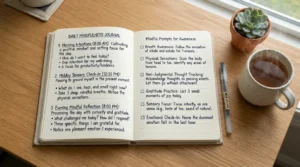
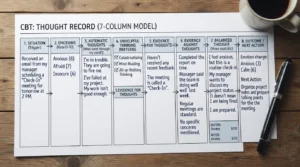
You do not need an elaborate symptom diary. After an episode, write down the time it began, when it was most intense, when it eased, what you felt, what was happening beforehand, and whether you had another wave. Add any new medicine or stimulant use and what you did afterward.
“Sudden dizziness and pounding heart for about ten minutes; tired for an hour; worried about it all evening” tells a clearer story than “an eight-hour attack.” Do not delay urgent care to finish a record.
Can treatment make future attacks less frequent?
Yes, help is available when anxiety or panic keeps recurring. Cognitive behavioral therapy (CBT) is a common treatment for panic disorder. It can help you understand the sensations and thoughts that feed the panic cycle and change the way you respond. A clinician may also discuss medication depending on your circumstances; treatment should be tailored to your symptoms and health history. NIMH and the NHS describe these approaches.
If the main problem is prolonged worry rather than brief panic surges, say so. The most useful treatment conversation starts with what actually happens to you, not with whether your episode fits a duration you read online.
Sleep, regular activity, and noticing whether caffeine worsens your symptoms can be part of a wider plan. None of them should become another rule you blame yourself for breaking. The first practical move is to get an accurate picture of the pattern and discuss it with someone qualified if it is affecting your life.
A realistic way to think about the clock
So, how long do anxiety attacks last in real life? A classic panic surge often lasts 5 to 20 minutes, but the broader anxiety someone calls an “attack” has no fixed endpoint. The symptoms can rise, ease, and return; concern about another episode may continue after the worst sensations stop.
I would use time as a description, not a diagnosis. Notice the onset, the peak, the easing, and what remained afterward. If the pattern is new, medically concerning, or beginning to shape where you go and what you do, speak with a healthcare professional. You deserve an answer that fits your experience, not just a number.
Frequently asked questions
Can an anxiety attack last all day?
Yes, intense anxiety can fluctuate throughout a day. A distinct panic attack usually has a shorter peak, so note whether you had one surge, several waves, or continuing worry.
How long does a panic attack usually last?
Most last about 5 to 20 minutes, according to the NHS, although some last longer. Feeling unsettled afterward does not automatically mean the peak is continuing.
Can you have multiple panic attacks in a row?
Yes. Symptoms may ease and then surge again, making several episodes feel continuous. Describe the quieter intervals and new peaks to a healthcare professional.
Why do I still feel anxious after a panic attack ends?
Your physical symptoms may take time to settle, and worry about another attack may remain. If that worry keeps affecting daily life, ask about support.
When is an anxiety attack an emergency?
Seek urgent care for persistent or crushing chest pain, chest pain with other concerning symptoms, severe breathing trouble, fainting, or symptoms that are new and alarming.
Related Posts: