Cintia coció is a concept rooted in intentional, mindful cooking — a philosophy that treats food preparation as an act of care rather than a mechanical routine. It draws from traditional culinary wisdom to emphasize ingredient quality, gentle cooking techniques, and balanced nourishment. Whether you’re a home cook or a wellness enthusiast, understanding Cintia Coció opens the door to a more purposeful relationship with food.
The Real Story Behind Cintia Coció — Beyond the Buzzword
You’ve probably come across the phrase “cintia coció” in a wellness thread, a food culture blog, or a casual conversation about clean eating. And if you left that encounter more confused than informed, you’re not alone.
The phrase sounds simple — almost poetic —, but it carries a layered meaning that most surface-level articles completely miss. Cintia coció isn’t a dish. It isn’t a diet trend with a 30-day challenge attached. It’s something quieter and, frankly, more useful: a way of thinking about how food is prepared, why those choices matter, and what we lose when we stop paying attention to the process of cooking.
This piece is going to give you the real, grounded, practical picture — covering the concept’s origins, its genuine health relevance, how it plays out in a real American kitchen, and what separates the authentic idea from the noise surrounding it.
What “Cintia Coció” Actually Means — Unpacked
At its most literal level, the phrase cintia coció suggests an act of cooking — specifically, a thoughtful, deliberate act. The construction implies a subject who cooked with intention, care, and awareness. But the cultural and philosophical weight behind the term goes further than grammar.
In culinary and wellness contexts, Cintia Coció represents:
- Purposeful preparation — choosing to engage with food actively rather than passively heating something pre-made
- Process over speed — prioritizing how food is cooked, not just what ends up on the plate
- Nutritional integrity — using methods that preserve what’s valuable in the ingredients you’ve selected
- A relationship with food — treating cooking as a meaningful activity, not just a step between hunger and eating
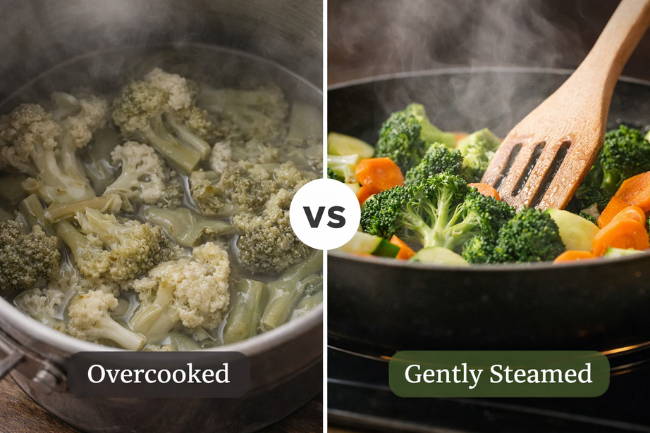
Think of it this way: the difference between boiling frozen vegetables until they’re gray and gently steaming fresh ones until they’re just tender — that gap in approach is exactly what Cintia Coció is addressing. Both result in “cooked vegetables,” but only one reflects the philosophy.
Where Cintia Coció Comes From — Cultural Roots and Evolution
To understand Cintia Coció, it helps to see it in the context of traditional cooking cultures that long predate the modern wellness industry.
Across many culinary traditions — whether you’re looking at slow-simmered Mexican stews, Japanese washoku principles, or Mediterranean one-pot meals — there has always been an understanding that how you cook shapes the outcome just as much as what you cook. The quality of heat, the timing of additions, the patience required for certain methods — these weren’t considered tedious. They were considered essential.
Cintia coció lives in that same tradition. It surfaces in discussions today because contemporary life has drifted so far from that approach. Processed foods, meal kits, and ultra-convenience culture have made quick and thoughtless preparation the default. Cintia coció represents a counterpoint — not a rejection of modern life, but a recalibration.
The evolution of the concept into broader wellness and food culture discussions is natural. As more Americans look for ways to eat better without subscribing to rigid diets or expensive programs, philosophies like this one — accessible, flexible, and grounded in common sense — gain traction.
5 Things People Get Wrong About Cintia Coció
Misunderstanding is almost inevitable when a culturally rich concept gets reduced to a trend. Here are the most persistent misconceptions — and why they don’t hold up.
1. “It’s a specific recipe or regional dish.”
Cintia coció is not a recipe. There is no single dish that defines it. It’s a framework — a way of approaching food preparation that can be applied to virtually any cuisine, ingredient combination, or meal type.
2. “You need to be an experienced cook to practice it.”
This is probably the most limiting misconception. Cintia coció requires attention, not skill. A beginner who takes care to wash, season, and gently heat their ingredients is practicing the philosophy just as authentically as a trained chef. The barrier to entry is mindset, not culinary credentials.
3. “It doesn’t have any real nutritional science behind it.”
Actually, the nutritional case for careful, intentional cooking is well-established. Overcooking at high heat degrades heat-sensitive vitamins (particularly vitamin C and several B vitamins). Excessive water exposure during boiling causes water-soluble nutrients to leach out. The cooking methods Cintia Coció favors — steaming, gentle sautéing, slow cooking with minimal liquid — are consistent with techniques nutritionists recommend for nutrient retention.
4. “It’s only for wellness influencers or health enthusiasts.”
The philosophy is universal. Whether you’re cooking on a budget, feeding a family, or just trying to feel better about what you’re eating, the principles apply. You don’t need a farmers market haul or expensive kitchen equipment. You need the intention to be present with your food.
5. “It’s too time-consuming for real life.”
Intentional cooking doesn’t always mean slow cooking. Sometimes it means nothing more than turning down the heat, tasting as you go, and not walking away from the stove to scroll on your phone. Small acts of attention add up.
Explore: Babeltee
The Health Case for Cintia Coció — What the Science Supports
Let’s get into specifics, because the health dimension of Cintia Coció is real — and often undersold.
Nutrient Preservation Through Cooking Method
The way you apply heat to food fundamentally changes its nutritional profile. Research consistently shows that:
- Steaming retains significantly more water-soluble vitamins than boiling
- Low-to-medium heat sautéing preserves antioxidants in many vegetables better than high-heat methods
- Slow cooking breaks down tough fibers and connective tissues in a way that improves digestibility without destroying micronutrients
Cintia coció’s emphasis on gentle, attentive cooking aligns with all of these findings. It’s not accidental — the traditional practices embedded in this philosophy developed, over generations, because they produced better food. Science is catching up to what experienced cooks already knew.
Digestive Wellness
One underappreciated benefit of thoughtful cooking is its impact on digestion. When food is properly prepared — neither undercooked nor overprocessed — it’s easier for the body to break down and absorb.
For example:
- Lightly cooking cruciferous vegetables (broccoli, cabbage, Brussels sprouts) reduces the concentration of certain compounds that can cause bloating in sensitive individuals
- Slow-cooked legumes are better tolerated than canned varieties that haven’t been properly prepared
- Whole grains cooked with adequate water and time yield better starch gelatinization, making them easier to digest
These aren’t small quality-of-life improvements. For people with digestive sensitivities, the difference between intentional and careless cooking can be significant.
Blood Sugar and Energy Stability
Meal composition and cooking method both influence how quickly food converts to glucose in the bloodstream. Minimally processed whole ingredients, combined with balanced macronutrient profiles, produce steadier energy. Cintia coció — by emphasizing ingredient quality and balanced combinations — naturally supports this kind of metabolic stability.
Cintia Coció in Practice — A Day in the Kitchen
Theory is useful. But let’s make this tangible.
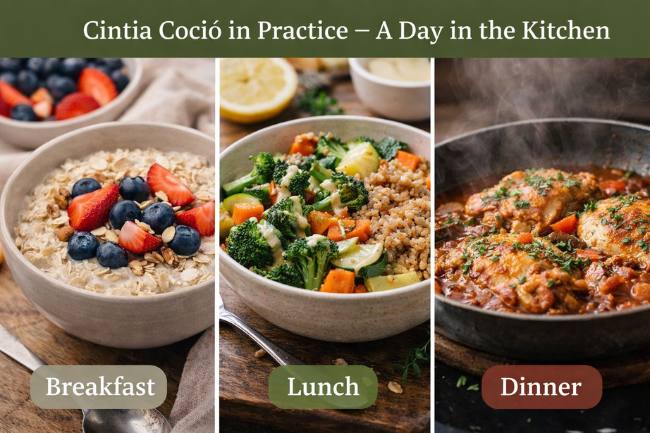
- Morning: Instead of dropping a frozen waffle in the toaster, you take ten minutes to cook oats over medium-low heat, stirring occasionally, with a handful of fresh fruit and a sprinkle of nuts. You’ve applied heat gently, preserved the fiber structure of the oats, and created a meal with sustained energy. That’s cintia coció in the morning.
- Afternoon: Lunch is a simple grain bowl — cooked farro, roasted vegetables you prepped earlier in the week, and a quick lemon-tahini dressing. The vegetables were roasted at moderate heat to caramelize naturally without burning. The farro was cooked in broth with a little salt. Every step was deliberate. That’s cintia coció at lunch.
- Evening: Dinner is a simple braise — chicken thighs, aromatics, canned tomatoes, broth, and herbs, cooked low and slow for ninety minutes. The collagen breaks down. The flavors deepen. Nothing was rushed. That’s cintia coció at dinner.
None of these examples required culinary school. All of them required a decision to engage.
How Cintia Coció Fits Into Current Cooking Trends in the United States
American food culture in the mid-2020s is in an interesting place. On one hand, ultra-processed food consumption remains high. On the other hand, a growing segment of the population — particularly younger adults — is actively seeking a more intentional, transparent relationship with food.
This shows up in the rise of:
- Meal prepping and batch cooking as weekly rituals
- Farmers markets and CSA subscriptions gaining mainstream traction
- Fermentation and preservation coming back as home kitchen practices
- “Scratch cooking” as a meaningful counter-cultural statement
- Anti-diet nutrition frameworks that emphasize food quality over calorie restriction
Cintia coció fits naturally into all of these movements. It doesn’t compete with any of them — it provides the underlying why that makes them make sense.
Comparing Cooking Approaches: Where Cintia Coció Stands
What Cintia Coció does differently from most approaches is that it’s both accessible and nutritionally sound — without requiring restriction or expertise.
Cintia Coció and Sustainability — A Connection Worth Making
There’s an environmental dimension to intentional cooking that doesn’t get enough attention.
When you cook with awareness, you tend to:
- Buy what you’ll actually use — reducing food waste
- Treat ingredients with care — which often means using more of them (stems, peels, scraps for broth)
- Plan meals ahead — avoiding impulse purchases that end up discarded
- Appreciate quality over quantity — which naturally shifts buying patterns toward less but better
The EPA estimates that food waste accounts for a significant share of U.S. landfill material. The cintia coció mindset — by creating a closer relationship between the cook and their ingredients — works against that waste pattern at the household level.
This isn’t a grand environmental argument. It’s a practical observation: people who cook with intention tend to waste less food. And that adds up.
Also Read: Healthy Life WellHealthOrganic
Building a Cintia Coció Practice — Where to Start
If this philosophy resonates and you want to start applying it, here’s a practical sequence:
Step 1: Start with one meal per day. Don’t overhaul everything at once. Pick dinner, or breakfast, and decide to make it intentional. That means choosing fresh or whole ingredients, applying appropriate heat, and being present in the process.
Step 2: Learn two or three cooking methods deeply. Steaming, braising, and gentle sautéing cover an enormous range of dishes. Get comfortable with each, and understand why the method works, not just how to execute it.
Step 3: Shop with purpose. You don’t need to buy organic everything. But buying ingredients you’re excited to cook with — seasonal produce, quality proteins, grains you enjoy — makes the practice sustainable.
Step 4: Remove the distractions. Cooking while watching TV, scrolling, or answering emails is the opposite of intentional cooking. Give the process a portion of your actual attention. You’ll notice the difference in the result.
Step 5: Taste and adjust constantly. This is perhaps the simplest marker of intentional cooking. If you never taste until the meal is on the table, you’ve been cooking on autopilot. Tasting is engagement.
Cintia Coció for Specific Dietary Needs
One of the strengths of cintia coció as a philosophy is its flexibility across dietary frameworks.
- For plant-based eaters: The emphasis on cooking methods that preserve nutrients makes cintia coció particularly valuable — plant proteins and vitamins benefit significantly from thoughtful preparation
- For people managing blood sugar: Whole ingredient focus and gentle cooking that preserves fiber structure support better glycemic control
- For those with digestive sensitivities: The attention to proper preparation of legumes, grains, and vegetables can meaningfully reduce digestive discomfort
- For families with children: Intentional cooking creates food that’s genuinely flavorful without relying on heavy salt, sugar, or fat additions — making it easier to serve meals kids will actually eat
The philosophy doesn’t mandate a particular diet. It enhances whatever approach you’re already taking.
FAQ: Cintia Coció
1. What does cintia coció mean?
Cintia coció refers to intentional, mindful cooking — a philosophy emphasizing thoughtful preparation, ingredient quality, and cooking methods that preserve nutritional value. It represents an approach to food, not a specific recipe or diet.
2. Is cintia coció a diet or a specific cuisine?
No — it’s neither. Cintia coció is a cooking philosophy that can be applied across any cuisine, dietary preference, or meal type. Think of it as a mindset, not a meal plan.
3. Do I need special equipment or ingredients to practice cintia coció?
Not at all. The philosophy is built around attention and intention, not tools or specific products. A basic stovetop, quality everyday ingredients, and a willingness to be present while cooking is all you need.
4. How is Cintia Coció different from just “eating healthy”?
“Eating healthy” typically focuses on what you eat. Cintia coció focuses on how you cook — the preparation method, the attention given to the process, and the relationship between cook and ingredient. The result often is healthy eating, but the emphasis is on the practice, not the outcome label.
5. Can cintia coció help with weight management?
Indirectly, yes. Intentional cooking tends to produce meals with better macronutrient balance, less reliance on processed additives, and more fiber from whole ingredients — all factors associated with better appetite regulation. However, Cintia Coció isn’t a weight loss protocol; it’s a sustainable cooking approach that supports overall wellbeing.
Final Thoughts: Why Cintia Coció Is Worth Taking Seriously
The conversation around food in America is often polarized — restrictive diets on one end, complete dietary nihilism on the other. Cintia coció offers something in the middle: a practical, flexible, culturally grounded philosophy that makes cooking more meaningful without making it more complicated.
It asks nothing more than attention and intention. And in return, it offers food that tastes better, nourishes more completely, creates less waste, and makes the act of cooking feel worthwhile.
That’s not a small thing. In a food environment that defaults to speed and convenience at the expense of everything else, choosing to cook with care is genuinely countercultural. And the evidence — both traditional and scientific — suggests it pays off.
Whether you start with one intentional meal per week or commit to rebuilding your entire relationship with the kitchen, the Cintia Coció framework is flexible enough to meet you wherever you are.
Learn about Doujen Moe
For broader information, visit Holistic Wellbeing Living