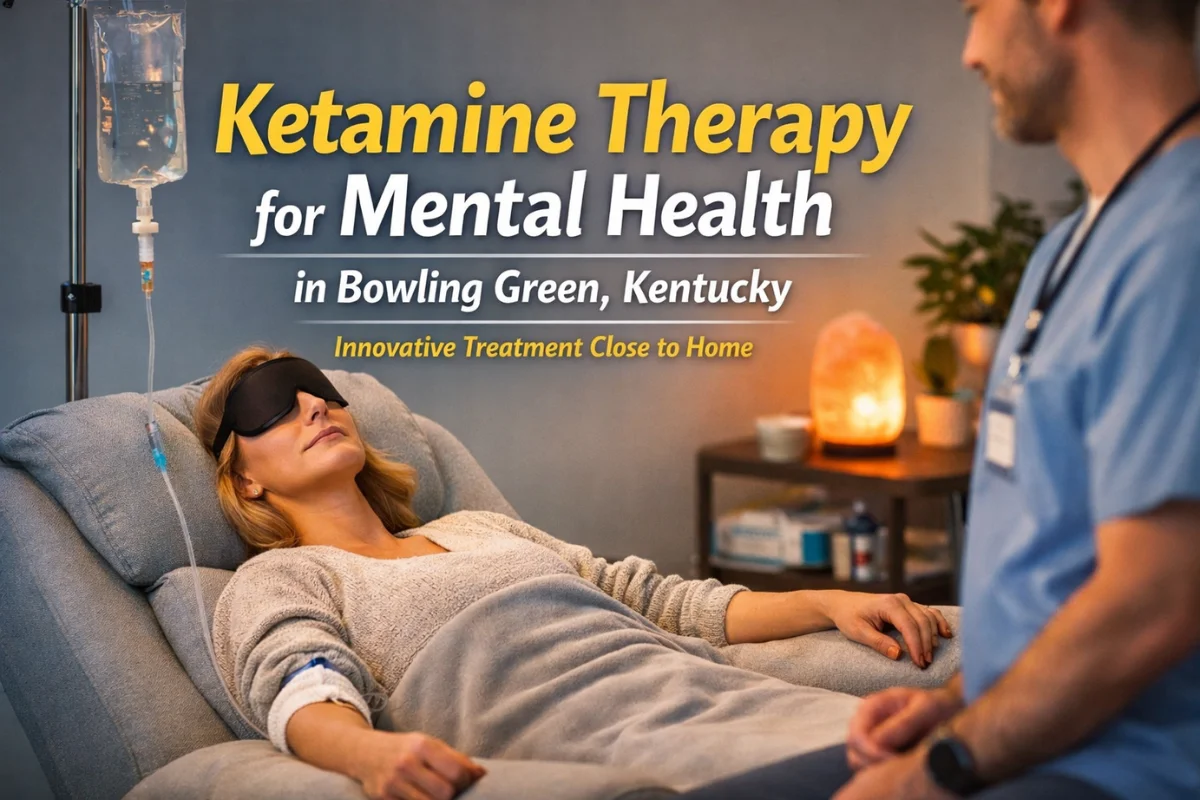
Ketamine therapy is a clinically supervised treatment that uses sub-anesthetic doses of ketamine to address severe or treatment-resistant mental health conditions, including depression, anxiety, PTSD, and suicidal ideation. Unlike traditional antidepressants that may take weeks to show results, ketamine has demonstrated the ability to produce measurable symptom relief within hours, making it a significant advancement in psychiatric care.
What Is Ketamine Therapy and How Did It Evolve?
Ketamine has a longer medical history than most people realize. Originally developed in the 1960s as an anesthetic for surgical and veterinary use, it spent decades on the periphery of psychiatric research before clinicians began documenting something unexpected: patients receiving low-dose ketamine infusions were reporting dramatic and rapid improvements in depressive symptoms — sometimes within hours of a single session.
By the early 2000s, controlled research had begun to confirm what clinicians were observing anecdotally. A pivotal study published in that era found that small intravenous doses of ketamine reversed symptoms of depression far faster than any existing antidepressant, a finding that fundamentally disrupted how psychiatry approached treatment-resistant cases.
The milestone that brought ketamine into mainstream clinical practice came in 2019, when the FDA approved esketamine (Spravato) — a nasal spray derived from ketamine — as an augmentation therapy for treatment-resistant depression. This approval gave the broader treatment model a regulatory foundation and opened doors for more structured clinical programs across the United States.
Today, ketamine therapy is offered in specialized medical clinics, psychiatric practices, and wellness centers across the country. For individuals in Bowling Green, Kentucky, struggling with conditions that have not responded to conventional treatment, this option is now locally accessible through qualified providers like Iris Medical Group.
How Ketamine Works in the Brain
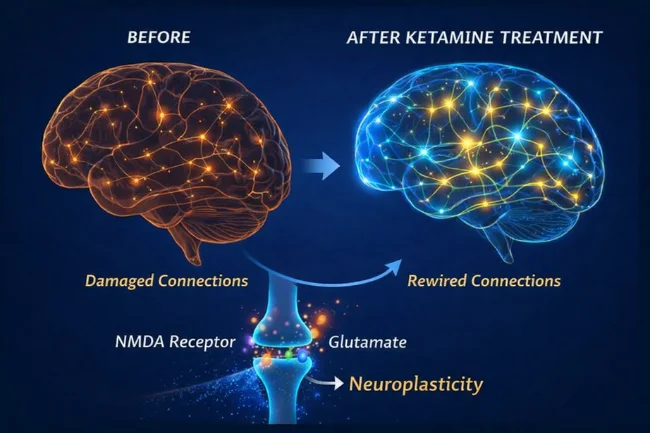
What makes ketamine genuinely different from traditional antidepressants is its mechanism of action. Most conventional psychiatric medications — SSRIs, SNRIs, and MAOIs — work primarily by modulating monoamine neurotransmitters such as serotonin, norepinephrine, and dopamine. Ketamine bypasses that system entirely.
Ketamine functions as an NMDA (N-methyl-D-aspartate) receptor antagonist. NMDA receptors are part of the glutamate system, the brain’s primary excitatory neurotransmitter network. By blocking these receptors, ketamine triggers a cascade of neurochemical activity that promotes the release of BDNF (brain-derived neurotrophic factor), a protein associated with neuroplasticity — the brain’s ability to form new neural connections.
In simpler terms, ketamine appears to help the brain physically “rewire” itself, rebuilding synaptic connections that chronic stress, depression, and trauma can erode over time. This neuroplastic effect is widely believed to be the reason why many patients report relief within hours rather than weeks — and why those effects can persist long after the medication has cleared the body.
Conditions Commonly Addressed With Ketamine Therapy
Ketamine therapy is typically considered when first-line treatments — including therapy, medication, or a combination of both — have not produced adequate results. The conditions most frequently addressed through ketamine protocols include:
It is worth noting that ketamine therapy is not a standalone cure for any of these conditions. Most clinical protocols integrate ketamine sessions with psychotherapy, psychiatric monitoring, and ongoing mental health support to maximize and sustain outcomes.
What to Expect During a Ketamine Therapy Session
For those considering this treatment, understanding the practical process can reduce uncertainty. While protocols vary by provider and the specific form of ketamine used, most clinical experiences share common elements.
- Before Treatment: A thorough intake evaluation is standard practice. Providers assess psychiatric history, current medications, cardiovascular health, and any contraindications. This screening is essential — ketamine is not appropriate for everyone, and responsible clinics take this step seriously.
- During the Session: Sessions typically last between 40 minutes and two hours, depending on the delivery method. Intravenous (IV) infusion is the most common approach in clinical settings, allowing for precise dosage control. Patients are seated or reclined in a calm, supervised environment. Many describe the experience as mildly dissociative — a sense of detachment from ordinary thinking patterns — which dissipates once the infusion ends.
- Intranasal esketamine (Spravato) is administered in a certified medical office under supervision, with a two-hour observation period following each dose.
- After the Session: Most patients are able to return home the same day, though driving immediately after is not permitted. Some report feeling mentally “lighter” within hours. A series of sessions — often six initial infusions spread over two to three weeks — is typically recommended before evaluating long-term benefit.
Ketamine Therapy in Bowling Green, Kentucky

Access to innovative psychiatric treatments has historically been concentrated in larger metropolitan areas. Bowling Green’s growing healthcare infrastructure has changed that dynamic for residents of south-central Kentucky.
For individuals who have worked through conventional treatment options without sustained relief, consulting with a local provider offers the opportunity to explore ketamine therapy within a structured, medically supervised framework — without the burden of traveling to Nashville or Louisville for care.
Providers in the region work with patients to determine whether ketamine infusions, intranasal protocols, or combined approaches are most appropriate based on individual history and goals. Initial consultations typically involve a full psychiatric assessment before any treatment plan is discussed.
Is Ketamine Therapy Safe?
Safety is a reasonable and important concern. Ketamine has been used in medical settings for over 50 years, and its safety profile at therapeutic doses is well-documented. That said, it is not without risks, and those risks are best managed in a supervised clinical environment.
Potential side effects during or immediately after a session can include temporary dissociation, mild nausea, elevated blood pressure, and perceptual changes. These effects are generally short-lived and subside as the medication clears the system.
Long-term concerns, including questions about dependency risk at therapeutic doses, remain an active area of research. The consensus among psychiatric professionals is that when administered under proper medical supervision with appropriate patient screening, the risk profile is manageable and significantly outweighed by the potential benefit for those with severe, treatment-resistant conditions.
According to the National Institute of Mental Health (NIMH), ketamine represents one of the most significant breakthroughs in depression research in decades, particularly for patients at high risk due to suicidality.
Frequently Asked Questions
1. How quickly does ketamine therapy work for depression?
Many patients report noticeable symptom improvement within hours to days of their first infusion — significantly faster than traditional antidepressants. However, sustained benefit typically requires a full course of multiple sessions, and individual response varies. Results should always be assessed in consultation with a qualified psychiatric provider.
2. Is ketamine therapy covered by insurance?
Coverage varies. FDA-approved intranasal esketamine (Spravato) may be covered by some insurance plans for qualifying diagnoses. IV ketamine infusions are generally considered off-label and are more frequently paid out-of-pocket. Patients are encouraged to contact their insurance provider and the treating clinic directly to clarify costs before beginning treatment.
3. Who is not a good candidate for ketamine therapy?
Individuals with a history of psychosis, certain cardiovascular conditions, uncontrolled hypertension, or active substance use disorders may not be suitable candidates. A thorough pre-treatment medical and psychiatric evaluation is essential to determine appropriateness on a case-by-case basis.
4. How many ketamine sessions are typically needed?
Most initial treatment protocols involve six infusions administered over two to three weeks. After this induction phase, some patients require periodic maintenance sessions. The frequency and duration of ongoing treatment depend on individual response and the judgment of the treating provider.
5. Can ketamine therapy be combined with traditional antidepressants?
Yes, in many cases. Ketamine is frequently used as an adjunct to existing psychiatric medication and psychotherapy rather than a replacement. The combination approach allows clinicians to address both the rapid stabilization that ketamine can offer and the longer-term management that established medications and therapy provide.
Moving Forward With Informed Care
Ketamine therapy represents a meaningful shift in how the psychiatric community approaches conditions that have long resisted conventional treatment. Its rapid onset, distinct neurochemical mechanism, and growing body of clinical evidence make it a legitimate option worth understanding — particularly for those in Bowling Green, Kentucky who have found little relief through traditional pathways.
Anyone considering this treatment is best served by beginning with a comprehensive consultation with a qualified medical provider. Understanding personal eligibility, realistic expectations, and the full scope of any treatment protocol is the foundation of informed, responsible care.