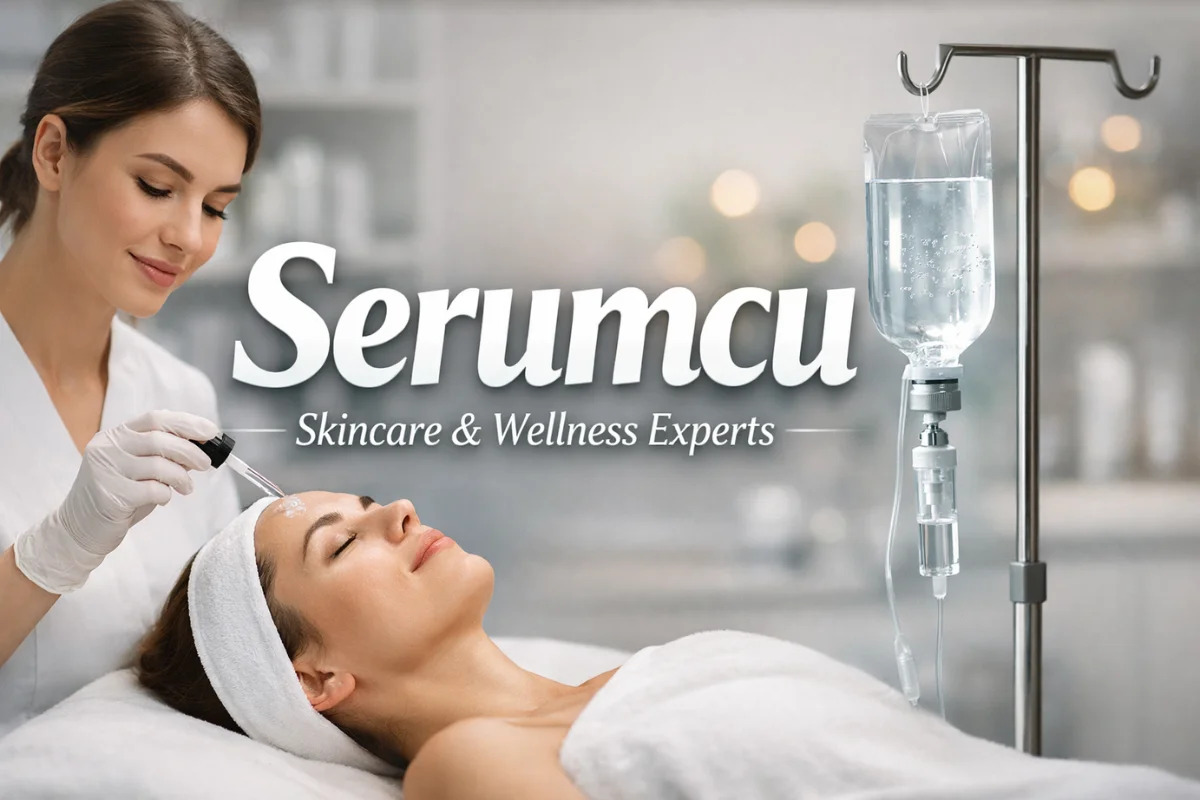
I still remember the first time I came across the word Serumcu. I was browsing through a Turkish wellness forum, knee-deep in research about IV therapy clinics, and this term kept appearing in the comments. Nobody explained it. Everyone just used it like it was obvious. So I did what I always do — I spent a few weeks digging, reading, and eventually experiencing some of these treatments firsthand.
What I found was far more layered than I expected. Serumcu is not just a job title or a trendy Instagram buzzword. It represents a real shift in how we think about skincare, health, and personalized wellness. And if you’re curious about what this profession actually involves, you’re in the right place.
What Does Serumcu Actually Mean?
The word Serumcu is built from two parts. The first is serum — a term most skincare lovers already know well. In cosmetics, a serum is a lightweight, fast-absorbing formula packed with concentrated active ingredients. In medicine, serum refers to the liquid portion of blood that contains proteins, antibodies, and nutrients. Both meanings are relevant here.
The second part is -cu, a Turkish suffix that simply means “a person who does or works with something.” You’ll find this suffix all over the Turkish language. A kahveci serves coffee. A fırıncı bakes bread. So a Serumcu is, literally, a person who works with serums.
What makes this term interesting is that it has evolved beyond its linguistic roots. Today, Serumcu is used to describe trained professionals who specialize in serum-based treatments — whether that means applying targeted skincare formulas in a dermatology clinic or administering intravenous nutrient drips in a wellness center.
The profession exists in many countries under different names. In the United States, you might call them aesthetic nurses or IV infusion specialists. In South Korea, they’re often part of the broader K-beauty clinical ecosystem. But the Turkish term has started gaining international recognition, particularly as wellness tourism and personalized beauty science grow together.
The Three Types of Serumcu Professionals
One of the first things I had to wrap my head around was that Serumcu is not one single job. There are at least three distinct branches of this profession, each requiring different training, skills, and work environments.
Medical Serumcu
This type works primarily in clinical or medical settings. Their main focus is intravenous therapy — delivering nutrients, vitamins, and hydration solutions directly into the bloodstream. I spoke with a practitioner at a wellness clinic in Istanbul who described her work as sitting at the intersection of nursing and functional medicine. She said the consultations alone take 20 to 30 minutes because every formula has to be adjusted to the individual.
Medical Serumcu professionals typically have backgrounds in nursing, emergency medicine, or pharmacy. The IV aspect of their work is strictly regulated in most countries, and rightfully so. Anything that goes directly into the bloodstream needs to be handled with precision.
Cosmetic Serumcu
This is probably the version most people picture when they hear the term. Cosmetic Serumcu specialists work in beauty clinics, dermatology centers, and aesthetic studios. Their expertise is in topical serum treatments — formulas applied to the face or body to address concerns like dehydration, hyperpigmentation, loss of elasticity, or acne-prone skin.
From my personal experience visiting a cosmetic Serumcu in a skincare clinic, the process is far more thorough than a regular facial. There’s a detailed skin analysis first, followed by a customized serum selection, professional application technique, and a follow-up protocol. The results I noticed after consistent sessions were genuinely different from what I got using off-the-shelf products at home.
Wellness Serumcu
This third type takes a broader view. Wellness Serumcu practitioners often combine skincare with nutrition guidance, lifestyle coaching, and holistic health approaches. Their treatments might include both topical and infusion therapies, but the goal is overall well-being rather than a single skin concern.
Think of them as the integrative medicine version of a beauty specialist. Some work in luxury spas or retreats. Others run independent practices that blend beauty science with preventive health philosophy.
The Science That Makes Serums Work
I’m not a dermatologist, but after spending time reading research and talking to professionals, I have a decent grasp of why serums perform so differently from regular moisturizers.
The core reason is molecular size. Serums are formulated with smaller molecules that can pass through the outer layers of the skin more easily. A thick cream is mostly designed to sit on the surface and lock in moisture. A serum is built to travel deeper, reaching layers where it can actually influence cellular activity.
This is why concentration matters so much in serum formulations. A small amount of a well-formulated serum can outperform a large amount of a mediocre cream, simply because the active ingredients are present at higher levels and delivered more efficiently.
According to dermatological research published in sources like the Journal of Cosmetic Dermatology, consistent use of properly formulated serums can measurably improve skin hydration, reduce oxidative stress, and support collagen synthesis over time. These aren’t overnight miracles — they’re cumulative results that build with regular treatment.
Key Ingredients a Serumcu Specialist Uses
During my conversations with multiple Serumcu professionals, I kept hearing the same ingredients mentioned. Here’s what came up most consistently and why each one matters.
- Hyaluronic Acid is the hydration workhorse. It can hold up to 1,000 times its weight in water, which is why it’s a baseline ingredient in almost every professional serum treatment. It plumps the skin and reduces the visible appearance of fine lines caused by dehydration.
- Vitamin C is valued for its antioxidant properties and its ability to brighten uneven skin tone. Clinical studies have shown it can help reduce melanin production in hyperpigmented areas, which is why it’s commonly used to address dark spots and dull complexion.
- Niacinamide (Vitamin B3) has become one of the most praised ingredients in professional skincare. It helps regulate sebum production, visibly minimizes enlarged pores, and has calming effects on inflamed or sensitive skin.
- Peptides are short chains of amino acids that support the skin’s natural collagen production. As collagen declines with age, peptide-rich serums help maintain structural firmness and elasticity.
Botanical Extracts — particularly green tea, centella asiatica, and licorice root — show up frequently in formulations aimed at sensitive or reactive skin. They offer anti-inflammatory benefits without aggressive chemical intervention.
Comparison: Topical Serum Treatments vs. IV Serum Therapy
One question I get asked a lot is how topical serum treatments compare to IV vitamin therapy. They’re both part of the Serumcu world, but they serve quite different purposes.
| Feature | Topical Serum Treatment | IV Serum Therapy |
|---|---|---|
| Delivery Method | Applied to skin surface | Administered intravenously |
| Primary Goal | Skin health, texture, tone | Systemic hydration, energy, recovery |
| Who Performs It | Cosmetic Serumcu | Medical Serumcu |
| Session Duration | 45–90 minutes | 30–60 minutes |
| Frequency | Weekly to monthly | Occasionally or as needed |
| Visible Results Timeline | Gradual over weeks | Often felt within hours |
| Regulation Level | Beauty/cosmetic standards | Medical oversight required |
| Best For | Targeted skin concerns | Fatigue, dehydration, immune support |
Both have their place, and the best Serumcu professionals I’ve encountered are clear about which treatment suits which need. There’s no one-size-fits-all approach here.
The Rise of Serum Bars and IV Clinics
Something that genuinely surprised me in my research was how fast serum-focused wellness clinics have expanded globally. In major cities across Turkey, the UAE, the UK, and the United States, serum bars have popped up offering everything from customized vitamin drips to hydration infusions marketed toward busy professionals and athletes.
These aren’t fringe wellness trends anymore. Some of the most visited clinics I came across have waiting lists. The appeal is partly the speed — many people report feeling more energized and clearer-headed within an hour of an IV session — and partly the personalization. You’re not picking a product off a shelf. A trained Serumcu is assessing your specific needs and adjusting the formula accordingly.
From what I observed, the clientele ranges widely. High-performing athletes use hydration therapy for faster recovery. Frequent travelers use it to manage jet lag and immunity. Some people simply use it as part of a broader preventive wellness routine.
Training and Certification: What It Actually Takes
I want to be clear about this because I’ve seen some clinics that don’t inspire much confidence. Becoming a qualified Serumcu — especially one performing IV therapy — requires legitimate training.
Medical Serumcu professionals generally come from nursing, paramedic, or medical backgrounds before pursuing additional certification in IV therapy and infusion protocols. The insertion of an IV line is a clinical skill that demands proper training, sterile technique, and knowledge of potential complications.
Cosmetic Serumcu specialists typically study cosmetology, aesthetic medicine, or dermatological science. In addition to skin analysis and product formulation knowledge, they need hands-on training in professional application techniques.
In Turkey, the European Union, and many parts of North America, there are regulatory bodies that govern who can legally administer IV treatments. These regulations exist to protect clients. When I’m choosing a Serumcu professional personally, the first things I look for are verified credentials, transparent hygiene practices, and a consultation process that actually involves questions — not just a price list.
Why Serumcu Treatments Have Gone Global
A few years ago, this was a niche concept. Today, Serumcu-style treatments are part of mainstream wellness conversations in dozens of countries. A few factors are driving that shift.
Personalization is a major one. People are tired of generic skincare advice and one-formula-fits-all products. The appeal of a trained professional analyzing your specific skin condition and building a treatment around it is hard to resist once you’ve experienced it.
Social media has played a role, of course. Skincare content performs extraordinarily well online, and when influencers and public figures talk about their serum treatments or IV drip sessions, curiosity naturally follows. But beyond the social media surface level, there’s a deeper cultural shift toward preventive health and aesthetic investment.
The normalization of wellness spending has also helped. People who once considered these treatments extravagant now see them as part of regular self-care — no different from a gym membership or a dental cleaning.
What to Watch Out For
I’d be doing you a disservice if I only talked about the benefits. There are real risks when serum-based treatments are done incorrectly.
Poorly administered IV therapy can cause infections, inflammation, or more serious complications if sterile protocols aren’t followed. Certain serum ingredients can trigger allergic reactions in sensitive individuals, which is why a patch test or thorough consultation matters.
My personal rule is simple: if a clinic doesn’t offer a consultation before treatment, I walk away. Legitimate Serumcu professionals ask questions. They want to know your skin history, your sensitivities, any medications you’re taking. A practitioner who skips that step is a practitioner I don’t trust.
The Future of the Serumcu Profession
From what I’ve seen and read, the trajectory of this profession points upward. Advances in biotechnology are producing serum ingredients with improved bioavailability. AI-assisted skin analysis tools are helping practitioners make more precise recommendations. There’s even growing interest in using genetic data to personalize serum formulations based on how individual skin responds to specific compounds.
The Serumcu profession, as it matures globally, will likely become more standardized. International certification frameworks, shared best practices, and clearer regulatory guidelines are already developing in parts of Europe and North America. That standardization is a good thing — it raises the floor and protects clients.
Wrapping Up
What started as a word I stumbled across on a forum turned into one of the more fascinating areas of modern wellness I’ve explored. Serumcu is a term with cultural roots and professional depth. It describes real specialists doing real work — whether that’s crafting a customized serum protocol for someone dealing with chronic skin sensitivity or administering a carefully formulated IV drip to support recovery.
If you’re curious about exploring Serumcu treatments yourself, my honest suggestion is to start with a consultation. Find a certified practitioner, ask questions, and treat the first appointment as an information-gathering session as much as anything else. The experience is genuinely different when it’s guided by someone with actual expertise.
The world of serum-based wellness is only going to grow. Getting informed about it now puts you ahead of the curve.
Frequently Asked Questions
1. What does the word Serumcu mean?
Serumcu is a Turkish-origin term that combines “serum” with the suffix “-cu,” meaning a professional who specializes in serum-based treatments for skincare, wellness, or medical therapy.
2. Is a Serumcu the same as a dermatologist?
No. A dermatologist is a licensed medical doctor specializing in skin diseases, while a Serumcu focuses specifically on serum-based treatments and may work in cosmetic, wellness, or clinical settings.
3. Are Serumcu treatments safe for sensitive skin?
Generally yes, when performed by a trained professional who conducts a proper skin assessment beforehand. Patch testing and ingredient transparency are standard practices in responsible Serumcu clinics.
4. How long does it take to see results from Serumcu skincare treatments?
Results vary depending on the concern and the treatment type. Many clients notice improved hydration and texture after a few sessions, while longer-term improvements in elasticity or tone typically develop over several weeks of consistent treatment.
5. What qualifications should I look for when choosing a Serumcu professional?
Look for verified certifications in aesthetic medicine, cosmetology, or clinical IV therapy, depending on the treatment type, along with transparent hygiene standards and a consultation process that includes a thorough skin or health assessment.