“Ground me” is a request for help returning attention to the present moment when anxiety, panic, stress, or a distressing memory makes it hard to feel steady. Grounding is a set of simple actions—such as noticing what you can see, feeling your feet on the floor, or naming where you are—that reconnect you with your current surroundings. It can help you pause and respond to what is happening now, rather than getting pulled entirely into a frightening thought or sensation. It does not erase a real problem, diagnose a condition, or replace treatment. If you searched “ground me” because you feel overwhelmed right now, start with one ordinary detail: name the surface supporting your body, look for one object with a clear color, and let yourself notice where you are.
What Does “Ground Me” Mean?
In everyday conversation, “ground me” might mean “help me calm down,” “help me feel real again,” or “stay with me while I get my bearings.” The exact need differs. Someone facing a deadline may want a brief pause; someone experiencing a trauma reminder may need reassurance about the present place and time.
I think of grounding as a way to give attention an address. Instead of wrestling with every anxious prediction, I can direct it to a chair under me, a sound in the room, and a task I can do next. The aim is orientation, not perfect calm.
That distinction matters. You can remain upset and still be grounded enough to choose your next action. The U.S. Department of Veterans Affairs describes focusing on breathing, the senses, or counting as ways to stay connected to the present during distress. Its guidance also recommends getting support when distress persists or affects functioning.
“Grounding” can also mean electrical grounding or “earthing,” the practice of physical contact with the earth. Here, I mean psychological grounding. You can do it indoors, in shoes, at a desk, or on a bus; you do not need special equipment or a grounding product.
Why Might I Need Grounding?
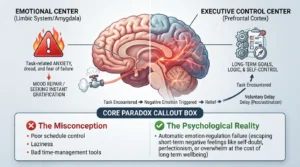
Stress can narrow attention. Before a difficult conversation, I might replay what could go wrong and barely register the room around me. During panic, bodily sensations can become so prominent that everything else fades. After a reminder of a frightening event, the past may feel uncomfortably close.
Grounding gives you a concrete subject for attention: this room, this date, this texture, this sound. It may interrupt a spiral long enough to notice what you need. It cannot guarantee that symptoms will stop, and it cannot tell you whether a physical symptom is harmless.
People also use grounding when they feel detached from themselves or their surroundings. That experience can be unsettling. Cleveland Clinic describes sensory contact, familiar objects, sounds, and movement as possible ways to reconnect. If detachment is frequent, prolonged, or disrupts daily life, an assessment is more useful than endlessly trying new exercises alone.
Ground Me Right Now: A Short Exercise
You do not have to complete a long routine. If you are in a safe place, try the following sequence at your own pace. Keep your eyes open if that feels more comfortable.
1. Locate yourself
Say your name if you want to. Then name the place and approximate time: “I’m in my kitchen. It’s Tuesday evening.” If a date or place is hard to recall, look for a clock, sign, or familiar object. This is an invitation to orient yourself, not a memory test.
2. Find steady contact
Notice where your body meets a surface: feet against the floor, thighs against the chair, or a hand resting on a table. Press gently, then release. Describe the contact in plain terms: firm, cool, smooth, or rough. Skip body-focused attention if it increases your discomfort and choose an object across the room instead.
3. Name three details outside your thoughts
Pick something you can see, something you can hear, and something you can feel. Be specific: “There is a blue mug; I hear traffic; the table edge feels smooth.” If one sense is unavailable or unpleasant, use another. No score is attached to doing this “correctly.”
4. Choose one small next action
When you have a little more room to think, decide what serves you now: drink water, move away from a noisy space, send a brief message to someone you trust, or return to the task in front of you. If the situation is actually unsafe, the next action is to get to safety or seek help, not to persuade yourself you are fine.
I use “place, contact, next action” as a compact way to remember this sequence. It is a practical cue, not a clinical formula. Sometimes naming just one visible object is enough to begin.
How to Use the 5-4-3-2-1 Grounding Technique
The familiar five-senses exercise gives attention a series of manageable jobs. Name five things you can see, four you can feel, three you can hear, two you can smell, and one you can taste. The NHS describes this as a grounding method you can use while focusing on the details of your surroundings.
Do not rush to find the “right” five items. A shadow on the wall counts. So does the seam of a sleeve, the hum of an appliance, or the taste already in your mouth. Look for detail instead of making a fast inventory: the mug is chipped at the rim; the fabric is warmer where your hand rests.
The sequence is flexible. If you cannot smell anything, imagine a familiar pleasant scent or spend longer on sound. If you have limited vision or hearing, rely on senses available to you. If counting makes you tense, drop the numbers and describe one neutral object thoroughly.
For some people, food, scent, body sensations, or closing the eyes can bring up unpleasant associations. Your version should feel tolerable. A technique is useful because it helps you orient, not because you followed a script exactly.
Which Grounding Technique Fits the Moment?
I would choose the least demanding method that suits the setting. An exercise that feels simple at home may be awkward during a meeting; a quiet mental task may be easier in public. The table offers starting points, not promises of relief.
Use your surroundings, not a perfect setting
Grounding can happen in a supermarket line. Notice the weight of a basket, the printed letters on a package, and the feeling of your shoes. At work, find the corners of your desk and the temperature of a glass. In a crowded place, pick a fixed point that does not require you to scan everyone around you.
If your surroundings are the source of distress, first consider changing them. Step into a quieter area if possible. Sensory awareness should not trap you in a place you need to leave.
Give the mind a neutral job
Sensory exercises are not your only option. Name cities beginning with successive letters, count backward by threes, or list the steps for making tea. The task should be engaging enough to hold some attention and simple enough that you can stop without feeling you have failed.
I favor neutral facts over forced positive statements. “The door is closed; the lamp is on; I can see the window” is easier to verify than “Everything is wonderful.” If reassurance feels false, factual orientation may work better.
Make breathing optional
Some people like a slow, comfortable exhale while they ground themselves. Others become more anxious when asked to monitor every breath. If focusing on breathing makes you dizzy or distressed, leave it alone and use sight, touch, or sound. Grounding does not require breath holding or a specific count.
What to Say When Someone Asks, “Can You Ground Me?”
Start by being present rather than giving a rapid list of instructions. Ask what would help: a calm voice, space, a drink of water, or a reminder of where they are. You might say, “I’m here. We’re in the living room. Would you like to name a few things you can see with me?”
Speak plainly and leave room for an answer. If they say no to a technique, accept it and offer another choice. Do not demand eye contact or assume touch is welcome. The VA’s guidance on responding to trauma-related flashbacks emphasizes calm orientation to the current situation; its clinical guidance also advises against touching someone during a flashback without regard for their response.
Avoid arguing about whether a feeling is rational. “You are safe” may be inaccurate if the person is facing a real threat or may simply not land well. “I’m with you, and the exit is over there” offers information they can use. If they appear unable to stay safe or need urgent medical help, contact local emergency services.
What Grounding Can and Cannot Do
Grounding is a coping skill for the moment. It may help you notice a trigger, reduce the sense of being swept away, or make it easier to ask for support. It is not a cure for panic disorder, post-traumatic stress disorder, or persistent dissociation. A difficult situation may still require a conversation, practical change, or professional care after you feel steadier.
The difference between grounding and avoiding is what happens next. Taking a pause before a hard phone call can help you make it. Repeating an exercise for hours to avoid every uncomfortable thought may leave the underlying issue untouched. I would ask: “After this pause, what is the kindest workable next move?” Sometimes that is rest; sometimes it is action.
No single method works equally well for everyone. If an exercise intensifies distress, stop it. Open your eyes, switch to a neutral external object, change rooms, or contact someone you trust. You are allowed to adapt the exercise or put it aside.
Make a Personal “Ground Me” Plan Before You Need It
The hardest moment to invent a coping strategy is often the moment you feel overwhelmed. I would write a tiny plan in ordinary language and keep it where I can find it: “Look at the green plant. Feel the chair. Call Sam if I need company.” Choose objects and people that actually exist in your life.
Give the plan three parts: an early sign, a grounding cue, and a next step. Your early sign might be rereading the same sentence without taking it in, feeling unusually distant, or checking the door repeatedly. Your cue might be the texture of a key ring. Your next step could be taking a short break or arranging support.
Try the plan once on an uneventful day. Notice whether the cue is accessible in the places you normally go. A scent you keep only at home cannot help on a commute; a visual cue may be difficult in a dark room. Small changes make the plan more usable.
If you want to track what helps, record only a few details afterward: where you were, which exercise you tried, and whether you could take your next action. You do not need to rate your distress with perfect precision. This record can also give a clinician useful context if the episodes continue.
When Should You Get More Help?
Consider speaking with a qualified health professional if panic, intrusive memories, or a sense of unreality keeps returning, disrupts sleep or work, or leads you to avoid important parts of life. The NHS advises seeking help when anxiety, fear, or panic is hard to cope with and self-help is not working. For trauma-related symptoms, the VA describes effective treatments that address more than the immediate moment.
Do not assume new or severe physical symptoms are “just anxiety.” Chest pain that feels tight or heavy, pain spreading to the arm, neck, jaw, or back, severe breathing difficulty, fainting, or sudden confusion calls for urgent medical assessment. Follow your local emergency guidance. NHS guidance lists these as warning signs requiring immediate help.
Seeking help does not mean you failed to ground yourself. It means you are matching the response to the size of the problem. A short exercise can be useful while you arrange support, but it should not delay needed care.
A Small Place to Start
When I hear “ground me,” I hear a request for a little more connection with the present. Start with one detail you can verify, then one point of contact, then one useful action. You can keep the exercise brief, change it to suit your senses, and ask for company. If the need keeps returning or feels too large to manage, make your next step a conversation with a health professional.
Frequently Asked Questions
What does “ground me” mean in mental health?
It means helping someone reconnect with the present through their surroundings, senses, or simple facts when they feel overwhelmed or detached.
How can I ground myself quickly during anxiety?
Name where you are, feel the support beneath you, and describe one visible object in detail. Keep the exercise short and choose what feels tolerable.
What is the 5-4-3-2-1 grounding method?
Name five things you see, four you feel, three you hear, two you smell, and one you taste. Adapt the senses or counts to your needs.
Can grounding stop a panic attack?
It may help you orient and cope while symptoms pass, but it is not guaranteed to stop an attack or substitute for medical assessment when symptoms are new or concerning.
Is psychological grounding the same as earthing?
No. Psychological grounding uses attention and sensory cues to reconnect with the present; earthing usually refers to physical contact with the ground.
Related Posts: