It is easy to view journaling as a cure-all, but like any powerful tool, it requires proper technique. When done incorrectly, journaling can inadvertently lock you into negative mental patterns rather than releasing them.
Common Mistakes to Avoid
To keep your practice from becoming a source of stress, watch out for these common traps:
The Perfectionism Trap: Treating your journal like a public blog or a document that needs to be “pretty.” This kills the honesty and spontaneity essential to the process.
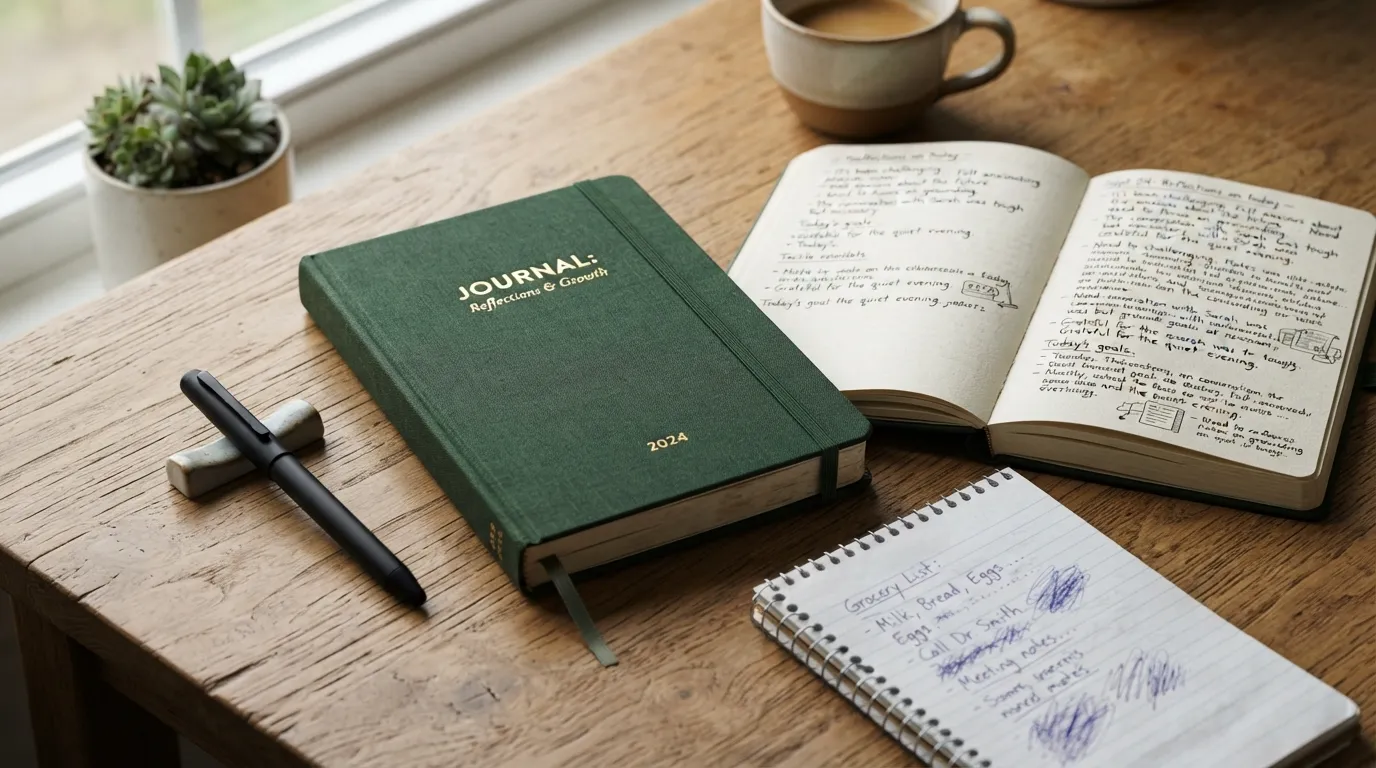
The “To-Do List Only” Habit: Using your journal exclusively for logistics. If you never record how you feel or what you are thinking, you lose the reflective, therapeutic component of the practice.
Waiting for Motivation: Relying on inspiration to write rather than treating it as a scheduled daily appointment.
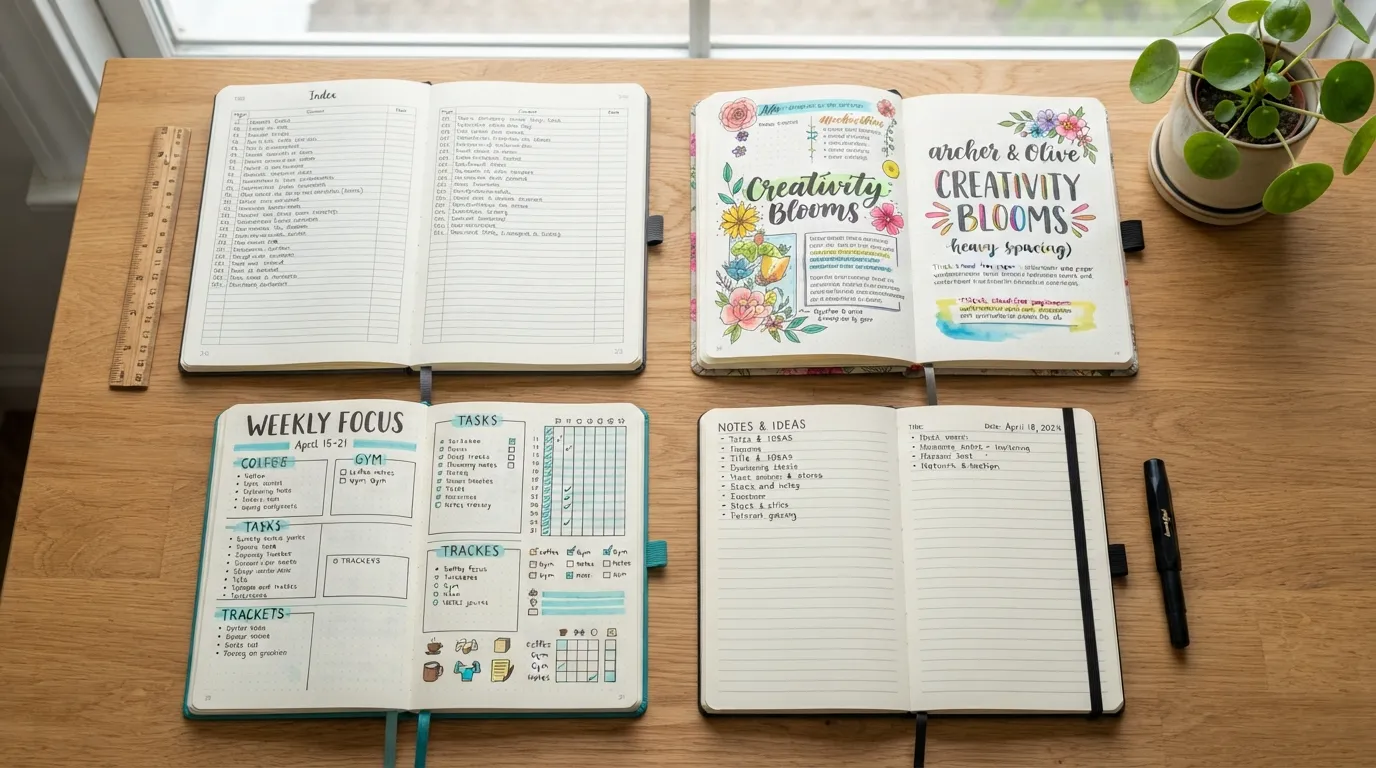
The Comparison Spiral: Looking at “journal aesthetic” posts online and feeling inadequate because your pages aren’t filled with artistic sketches or perfect handwriting.
Over-complicating the System: Trying to maintain a complex tracking system that takes more time to manage than it provides in value.
The Dark Side of Journaling
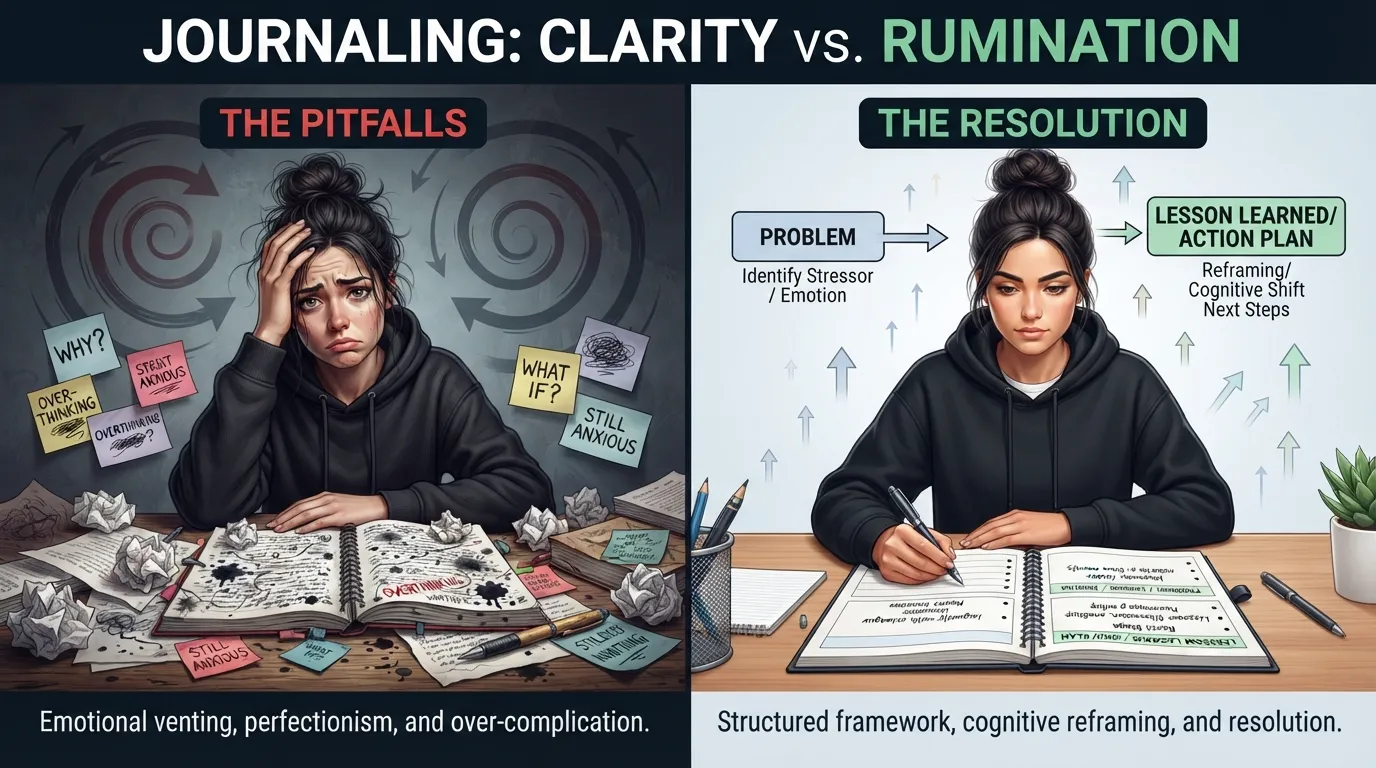
While journaling is widely beneficial, psychologists warn of a potential “dark side” if it shifts into unstructured rumination.
There is a critical distinction between venting and processing. If you use your journal solely to “vent,” you may find yourself repeatedly rehearsing negative events, feelings, or grievances. This is known as “co-rumination” with yourself, which can actually strengthen neural pathways associated with stress and trauma, making you feel worse after you finish than when you started.
To avoid this, always aim to journal “toward” resolution. Do not just dump your pain on the page; follow your vent with a question: What is one thing I can do to shift this perspective? or What is the lesson here? If you find yourself stuck in a loop of repetitive, circular negative thoughts, it is time to pivot your approach, refocus on your mindful journaling habits, or seek professional guidance. Your journal is meant to be a bridge to clarity, not a room you get trapped in.

Pimchanok Srisuk
Pimchanok Srisuk is the Journaling Editor at Holistic Wellbeing Living. She writes about journaling prompts, reflective writing, emotional clarity, and mindful routines. With seven years of experience creating personal-growth content, Pimchanok helps readers use simple writing practices to understand their thoughts and make calmer everyday decisions.