Motivation to Stop Procrastinating: How to Take Action When You Feel Stuck
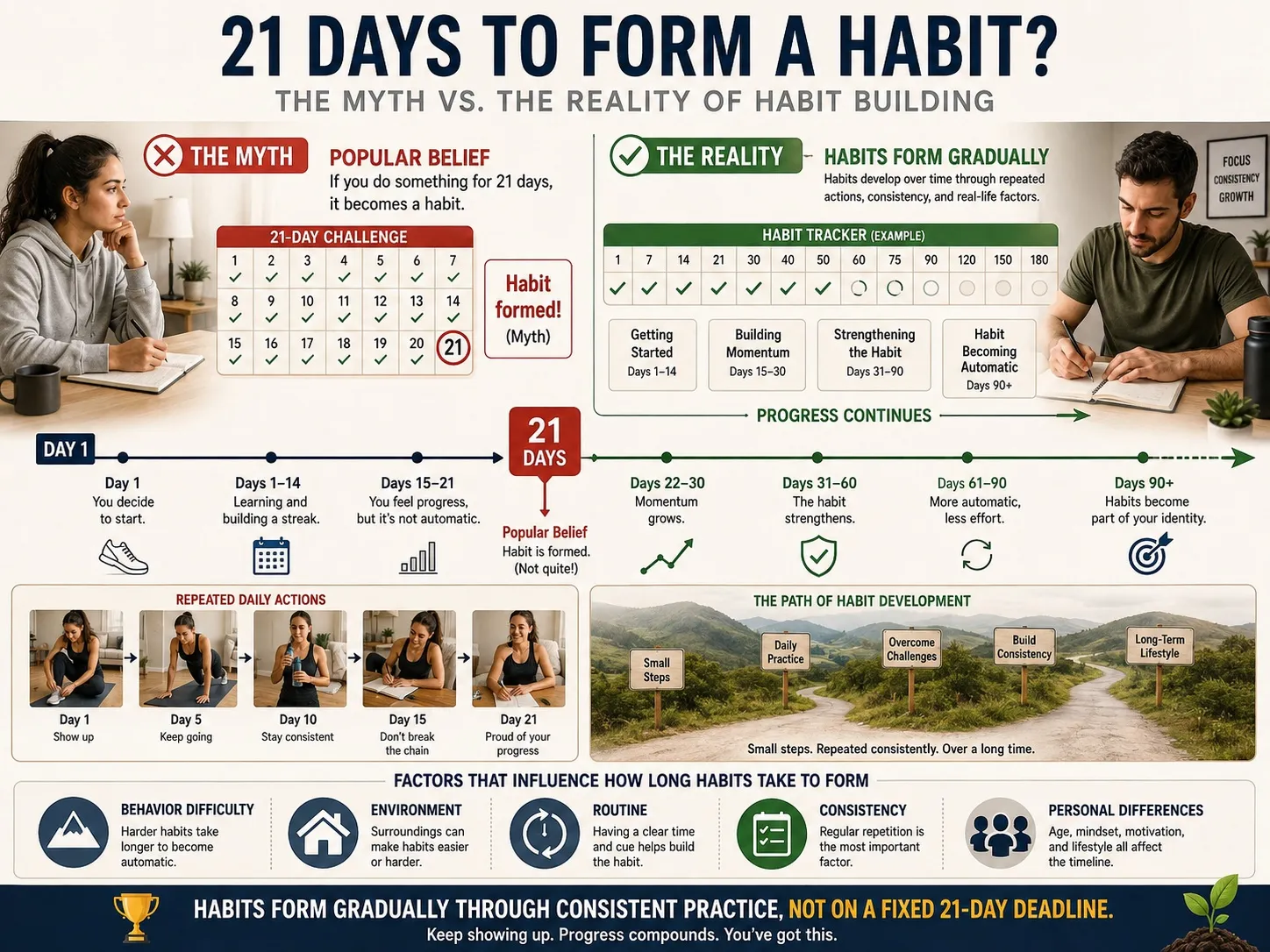
Waiting for motivation is one of the biggest reasons people stay stuck in procrastination. The truth is that motivation often comes after you start, not before. Small actions create momentum, and momentum makes it easier to continue.
If you are looking for motivation to stop procrastinating, the most effective approach is to understand why you delay tasks, reduce the difficulty of starting, and build systems that make taking action easier.
Do not wait until you feel motivated. Start with a small action, create progress, and allow motivation to grow from your own momentum.
Why You Procrastinate Even When You Want To Take Action
Procrastination is not always caused by laziness or poor discipline. Many people delay important tasks because their brain is trying to avoid discomfort, uncertainty, stress, or fear.
Fear of Failure
When a task feels connected to possible failure or criticism, your brain may choose avoidance because avoiding the task temporarily reduces stress.
Feeling Overwhelmed
Large goals often create resistance because your mind sees the entire workload instead of the first simple step. Breaking the task down makes starting easier.
Perfectionism
Some people procrastinate because they believe the first attempt must be perfect. This creates pressure that prevents action.
The Relationship Between Motivation and Procrastination
Many people believe they need motivation first and action second. In reality, action often creates motivation.
For example, you may not feel like exercising, studying, or working on a project. But after completing the first few minutes, your brain starts building momentum and continuing becomes easier.
Small action → progress → confidence → increased motivation → more action
10 Practical Ways To Create Motivation To Stop Procrastinating
1. Use the 5-Minute Rule
Tell yourself that you only need to work for five minutes. The goal is not to finish everything; the goal is to overcome the resistance of starting.
2. Break Big Tasks Into Micro Goals
Replace vague goals like “finish the project” with smaller actions such as “write the first paragraph” or “create the first outline.”
3. Reduce The Gap Between Decision And Action
The longer you wait after deciding to do something, the easier it becomes to avoid it. Prepare your tools and environment so you can start quickly.
4. Remove Distractions Before Starting
Put your phone away, close unnecessary tabs, and create a workspace that supports focus.
5. Create Small Rewards
A simple reward system can help your brain connect completing tasks with positive feelings.
6. Focus On Progress Instead Of Perfection
A completed imperfect task is usually more valuable than a perfect task that never starts.
7. Build A Consistent Routine
Discipline becomes easier when you remove daily decision-making and create repeatable habits.
8. Track Your Progress
Seeing completed actions builds confidence and encourages continued effort.
9. Use Accountability
Sharing goals with another person can increase commitment and reduce avoidance.
10. Practice Self-Compassion
Excessive guilt after procrastinating often creates more stress. A better approach is to identify the reason for delay and take the next small step.
Motivation vs Discipline: Which One Helps You Stop Procrastinating?
| Motivation | Discipline |
|---|---|
| Depends on feelings and energy levels | Depends on systems and habits |
| Can change from day to day | Creates consistency over time |
| Helps you start | Helps you continue |
A Simple Daily Anti-Procrastination Routine
- Choose one important task for the day.
- Break it into the smallest possible first step.
- Work on it for five focused minutes.
- Remove distractions during the work session.
- Reward yourself after completing progress.
Common Mistakes That Keep You Procrastinating
- Waiting for the perfect mood before starting.
- Setting goals that are too large and unclear.
- Depending only on motivation instead of building habits.
- Using guilt instead of creating a better system.
Frequently Asked Questions
How do I motivate myself to stop procrastinating?
Start with a very small action. Motivation usually increases after you begin because progress creates momentum.
What is the 5-minute procrastination trick?
It is a technique where you commit to working for only five minutes. The purpose is to make starting feel easier.
What is the root cause of procrastination?
Common causes include fear of failure, overwhelm, perfectionism, unclear goals, and emotional discomfort.
Can discipline help overcome procrastination?
Yes. Motivation helps you begin, but discipline and routines help you continue when motivation decreases.
Final Thoughts
The best motivation to stop procrastinating is not something you wait for. It is something you create through action. Start small, reduce resistance, build consistent habits, and allow progress to strengthen your motivation.
Explore Topics
Sub-Topics & Guides
Featured Guides
Top Industry Resources
Editorial Integrity
Our content is 100% human-written, evidence-backed, and continuously updated to fulfill reader intent with maximum honesty.
"Small, consistent habits compounded over time create unshakeable momentum."