Jump to:
ToggleWhat Is a Journal? A Complete Guide to Meaning, Types, and Purpose
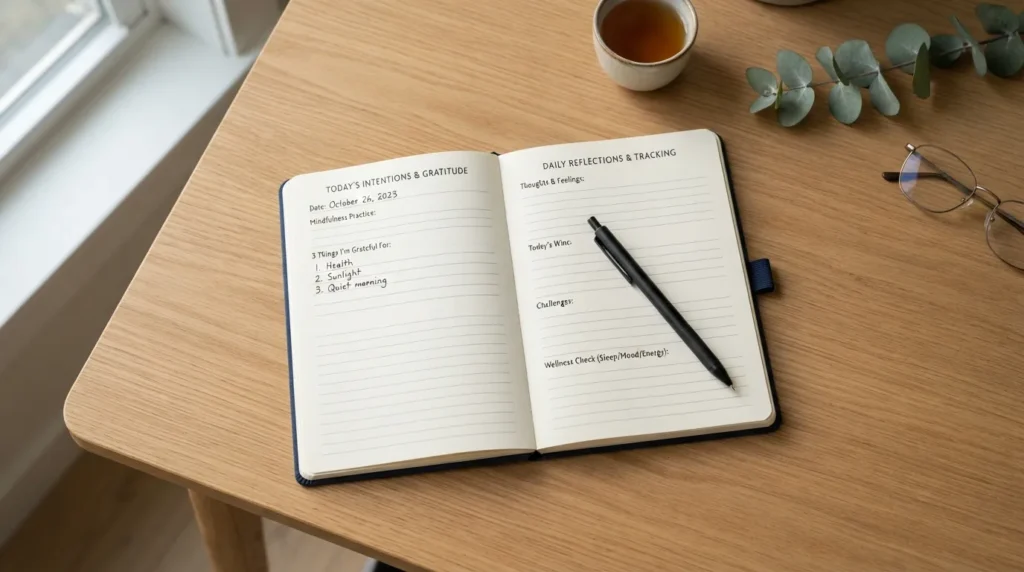
What Is a Journal?
At its core, a journal is a written record of daily events, personal thoughts, feelings, or professional research. While the term is often used interchangeably with a diary, it actually spans several distinct contexts depending on how and where it is used.
To give you a quick snapshot, here is what a journal means across different fields:
Personal Journal: A personal notebook or digital space used to record daily experiences, innermost thoughts, emotions, and self-reflections (often similar to a diary).
Academic or Professional Journal: A peer-reviewed periodical publication featuring expert research, scientific studies, and scholarly articles in specific fields like medicine, psychology, or education.
Accounting Journal: A formal financial record where a business logs its daily monetary transactions chronologically before transferring them to a ledger.
Mechanical Journal: In engineering, it refers to the smooth, cylindrical part of a rotating shaft or axle that turns inside a bearing.
(Note: For the purpose of personal growth, mental wellbeing, and self-care, this guide primarily focuses on Personal and Wellness Journals).
Are a Journal and a Diary the Same?
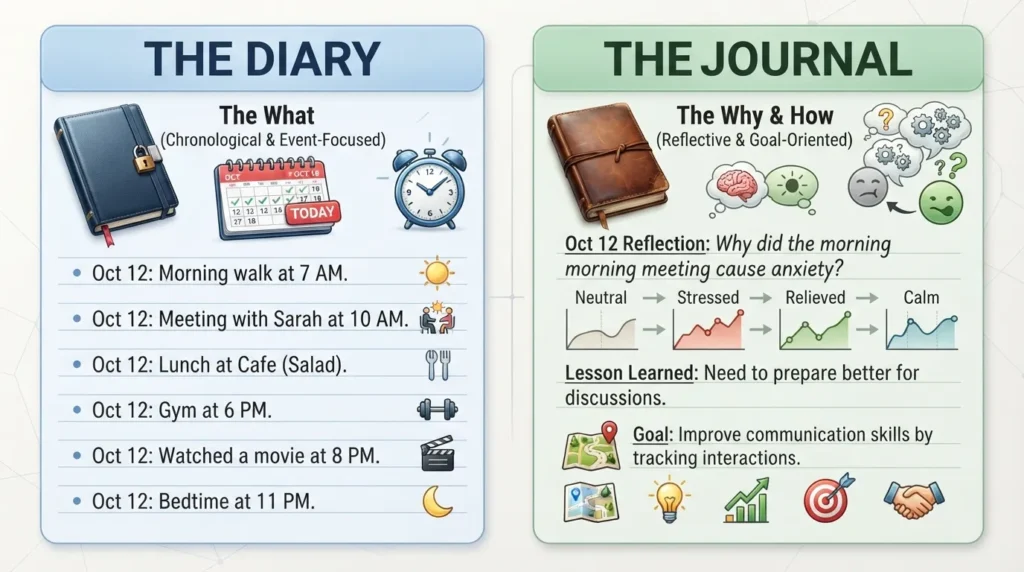
While the words “journal” and “diary” are frequently used interchangeably, they have distinct differences in purpose, structure, and depth:
Diary (The What): A diary is strictly chronological and event-focused. It typically answers the question, “What happened today?” (e.g., “Today I went to the office, met a friend, and bought groceries”). It records daily schedules and external events in a straightforward manner.
Journal (The Why & How): A journal is much more flexible, reflective, and analytical. Beyond just logging events, a journal dives deep into your feelings, ideas, personal reflections, and inner growth (e.g., “Why did that meeting frustrate me, and how can I handle it better tomorrow?”).
In short: A diary is a log of your day, whereas a journal is a space for your thoughts, processing emotions, and self-discovery.
What is the Purpose of a Journal?
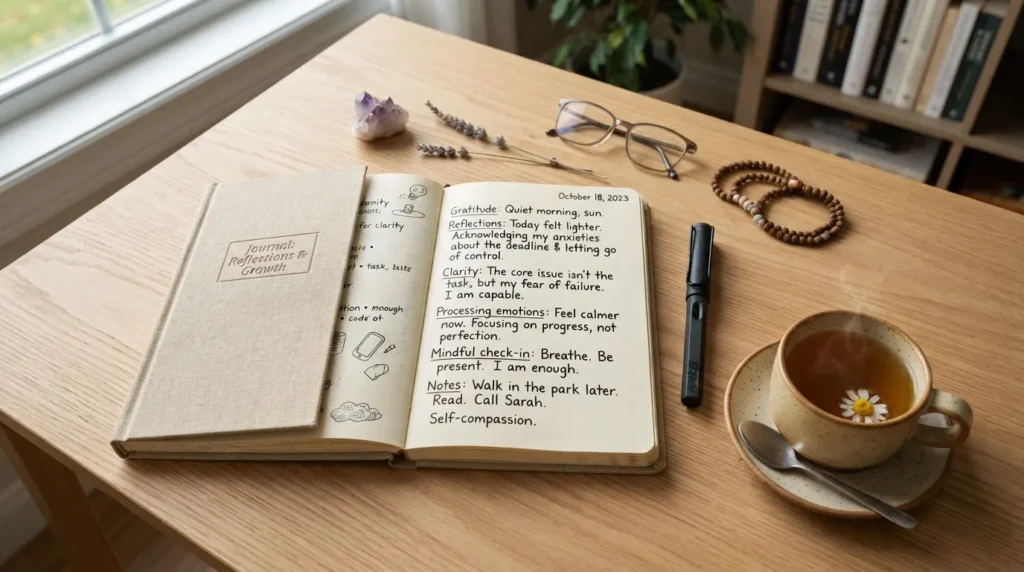
The primary purpose of keeping a journal goes far beyond simply listing daily tasks or events. It serves as a personal tool for mental wellbeing, self-discovery, and emotional growth.
The main reasons people maintain a journal include:
Mental Clarity & Overthinking Reduction: Writing down scattered thoughts helps clear mental clutter, making it easier to process complex situations and reduce feelings of being overwhelmed.
Emotional Regulation & Stress Relief: Putting emotions into words acts as a healthy outlet to release stress, process anxiety, and navigate difficult feelings without judgment.
Goal Tracking & Self-Reflection: A journal helps you monitor your personal progress, set intentional goals, and evaluate your habits, behaviors, and mindset over time.
Boosting Memory & Creative Thinking: Regular writing stimulates cognitive function, preserves important memories, and sparks new ideas by encouraging free-flowing thoughts.
What Are the Main Types of Journals?
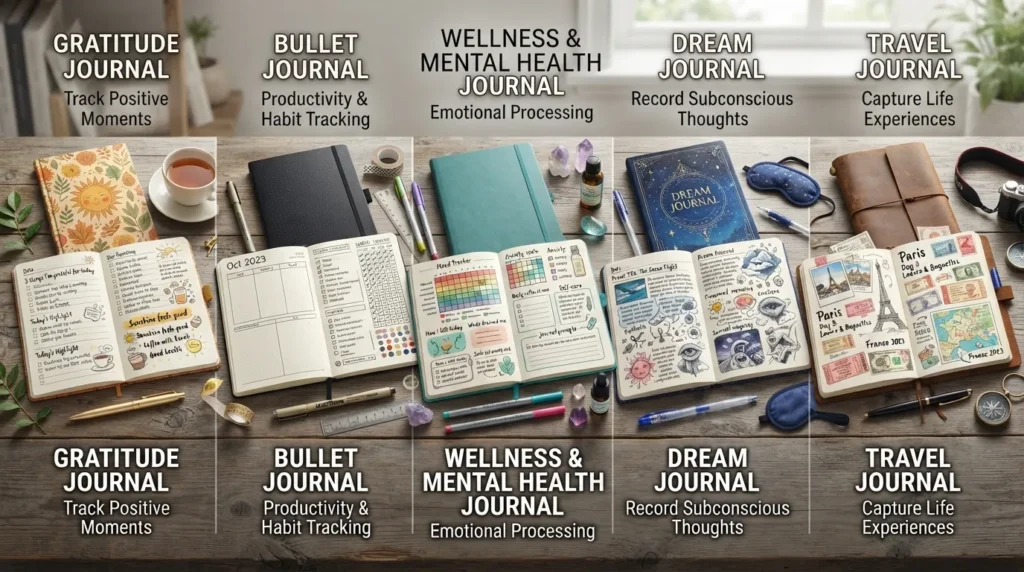
Journals come in various formats, each serving a unique purpose depending on your personal goals, lifestyle, and wellbeing needs. Here are the main types of journals:
Gratitude Journal: Dedicated to cultivating positivity by noting down daily moments, people, or things you feel thankful for, which helps shift your mindset toward appreciation.
Bullet Journal (BuJo): A customizable, highly structured system designed for productivity, task management, daily planning, and habit tracking.
Wellness & Mental Health Journal: A safe space to process emotions, identify stress triggers, track your mental state, and document your personal healing and self-care journey.
Dream Journal: Kept by your bedside to quickly jot down your dreams upon waking, helping you explore subconscious thoughts, patterns, and symbols.
Travel Journal: Used during trips to capture the sights, sounds, cultural experiences, tickets, photos, and memories of new places.
Academic/Research Journal: (As briefly mentioned earlier) A formal, peer-reviewed publication used by scholars and researchers to share scientific discoveries and expert studies.
How to Start a Journal Today (Simple Steps for Beginners)
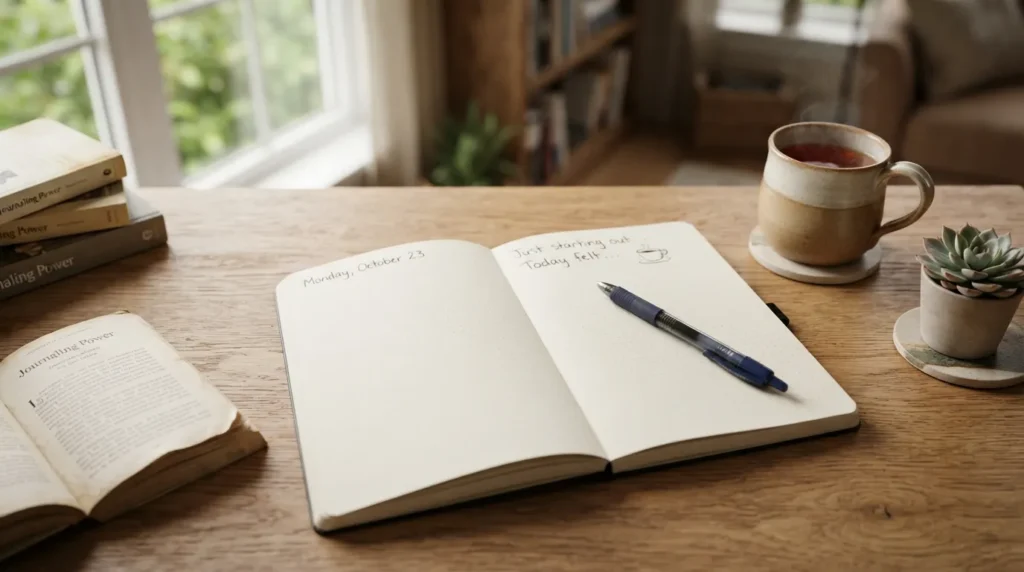
Starting a journal doesn’t have to be complicated or intimidating. If you are a beginner looking to build a sustainable and stress-free habit, follow these simple steps:
Choose Your Medium: Decide whether you prefer the tactile experience of writing in a physical notebook with a pen, or the convenience of typing on a digital app or notes platform.
Don’t Worry About Grammar or Perfection: Remember that your journal is entirely for your eyes only. Let go of spelling, grammar, or neat handwriting; just focus on letting your authentic thoughts flow freely.
Use Simple Prompts: If you ever stare at a blank page wondering what to write, use easy daily prompts to spark your thoughts (e.g., “Aaj maine kya seekha?” [What did I learn today?] or “Main kis cheez ke liye grateful hoon?” [What am I grateful for?]).
Set a Realistic Routine: You don’t need hours of free time. Start small by dedicating just 5 to 10 minutes a day—consistency matters far more than the length of what you write.
Frequently Asked Questions
What is the purpose of having a journal?
The main purpose of a journal is to give your thoughts, emotions, and experiences a private space to land. It helps clear mental clutter, manage daily stress, and track your personal growth over time. For many, it is simply a daily tool to reflect, solve problems, and build self-awareness.
Are a journal and a diary the same thing?
While people often use the terms interchangeably, they have a slight difference in focus. A diary usually records daily events and activities as they happen. A journal goes a step deeper, focusing on your internal feelings, thoughts, and reflections about those events.
What is a journal example?
A simple journal entry might look like this: "Felt overwhelmed by my morning to-do list, so I took a ten-minute walk. Realized I was trying to do three days of work in one afternoon. Refocused on just my top priority, and the rest of the day felt much lighter."
What is the 3-3-3 journaling method?
The 3-3-3 journaling method is a quick grounding technique where you write down 3 things you are grateful for, 3 things you want to accomplish today, and 3 things you want to let go of. It is designed to help you build focus, gratitude, and emotional balance in just a few minutes each morning.
What are 7 types of journals?
Common types include gratitude, bullet, stream-of-consciousness, line-a-day, goal-setting, travel, and dream journals. Each type serves a different purpose, whether you want strict organization, quick daily check-ins, or creative freedom. You can explore how each style works in our breakdown of types of journals above.
How do beginners start journaling? / How do I write my journal?
Starting is as simple as picking a notebook you like and writing for two minutes without worrying about grammar or neatness. You can answer a simple prompt like "How am I feeling right now?" or write down three things that happened today. The key is to keep it low-pressure so you can build a consistent habit.
What is a journal in accounting?
In accounting, a journal is a financial record book where every business transaction is recorded in order by date. It lists debits and credits before those figures are moved into a general ledger. It acts as the original, step-by-step paper trail for a company's money.
What is a journal in research/science?
In the academic world, a journal is a scholarly publication that collects original research papers written by experts. These publications are usually peer-reviewed, meaning other scientists evaluate the work to make sure it is accurate and trustworthy before it gets published.
What is a journal article?
A journal article is an individual research paper or study written by scholars and published inside an academic journal. Think of the academic journal as the overall magazine, and the journal article as one specific story printed inside it.
Pimchanok Srisuk
Pimchanok Srisuk is the Journaling Editor at Holistic Wellbeing Living. She writes about journaling prompts, reflective writing, emotional clarity, and mindful routines. With seven years of experience creating personal-growth content, Pimchanok helps readers use simple writing practices to understand their thoughts and make calmer everyday decisions.