The best exercises for personal growth include reflective journaling, clarifying your values, setting specific goals, practicing mindfulness, asking for useful feedback, and taking small actions outside your comfort zone. Personal growth exercises are intentional activities that help you understand yourself, improve everyday behavior, and develop skills such as confidence, self-discipline, and emotional awareness. I recommend choosing an exercise that addresses a real difficulty in your life, then repeating it and reviewing what changes.
You do not need an elaborate morning routine or a new personality. You need a clear place to begin. That might mean starting work sooner, speaking honestly, handling criticism more thoughtfully, or keeping a promise to yourself.
Below, I explain twelve practical exercises, how to use them, and what to measure. The suggested timings are starting points, so adjust them to your schedule and energy.
Choose a Personal Growth Exercise That Fits Your Needs
Before choosing a practice, finish this sentence: “I want to handle ______ differently.” Describe something observable, such as putting off difficult emails or agreeing to requests you cannot manage.
I prefer this approach because “become my best self” leaves too much unanswered. A specific situation gives you somewhere to practice and a way to recognize progress.
Use this comparison to choose your starting point. The times are suggested practice lengths, not scientifically established doses.
Start with one exercise. Adding more makes sense when the first practice is manageable and useful.
12 Best Exercises for Personal Growth
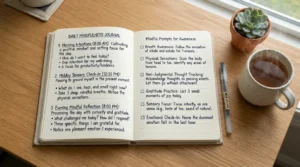
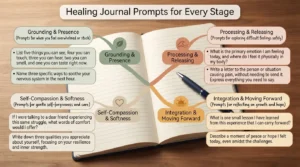
1. Keep a Five-Minute Reflection Journal
Reflective journaling gives you a place to examine a situation before deciding what to do next. I recommend writing about one moment rather than summarizing your entire day.
Use these three prompts:
- What happened, described as plainly as possible?
- What did I think, feel, and do?
- What response would I like to try next time?
For example, “I stayed quiet during the meeting because I expected criticism” gives you more useful information than “I have no confidence.” Your next action might be asking one prepared question.
Keep the entry brief and finish with a decision. If you are repeatedly writing the same complaint, ask what information, conversation, or practical support could help you move forward.
2. Compare Your Values With Your Calendar
Choose three values that matter to you, such as learning, honesty, family, creativity, or independence. Write what each value would look like in an ordinary week.
Then review your calendar. Where does your time support those values? Where is there a mismatch you can realistically change?
If learning matters to you, book fifteen minutes to practice a skill. If relationships matter, arrange an unhurried conversation. If honesty matters, address a commitment you cannot fulfill.
I would avoid treating every mismatch as a personal failure. Work, caregiving, money, and health affect your options. The purpose is to find one available choice that brings your actions closer to your priorities.
3. Turn a Goal Into an If-Then Plan
An if-then plan connects a recognizable situation with a specific action. Instead of “I will read more,” try: “If I finish lunch, then I will read two pages before checking my phone.”
The National Cancer Institute summarizes research showing that these plans can help translate intentions into action. They work best when the chosen response fits the obstacle and you actually want to pursue the goal.
Make your cue easy to notice and your action easy to understand. “When I feel motivated” is difficult to schedule; “after I put my breakfast plate away” is clearer.
Add a backup when necessary: “If lunch is rushed, then I will read two pages after dinner.”
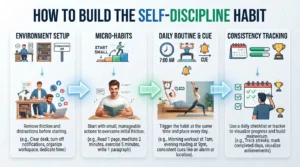
4. Practice Starting With a Two-Minute Action
Choose one task you have been avoiding and reduce its opening action to something you can do in two minutes.
Open the document and write a rough heading. Put your walking shoes beside the door. Read the first paragraph of the material you need to study.
I recommend measuring whether you started, rather than demanding that every small start become a long session. You can continue when time and energy allow.
After several attempts, review the actual barrier. Is the task unclear? Do you need information? Is the workload unrealistic? A smaller start is useful, but some obstacles require a better plan or help from someone else.
5. Use a Brief Mindfulness Practice
Sit comfortably and spend two minutes noticing a steady sensation, such as your feet touching the floor or the sounds around you. When your attention wanders, gently return to that sensation.
The aim is to practice noticing and returning. You do not need to empty your mind or produce a particular feeling.
NCCIH reports potential benefits from meditation and mindfulness while noting limitations in the evidence and possible negative experiences. A brief practice should not be presented as a guaranteed treatment.
For everyday self-awareness, I would pair the exercise with a question: “What am I about to do automatically?” If the practice increases distress, stop and choose a different exercise.
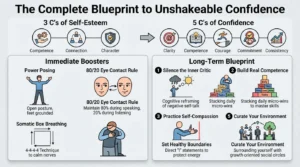
6. Take One Small Courage Action
Choose an ordinary, safe situation you avoid because it feels awkward. Ask a question, introduce yourself, share an idea, or politely request clarification.
Before acting, write your prediction: “I think people will dismiss my question.” Afterward, record what actually happened, including anything that remains uncertain.
This creates a useful comparison between your expectation and the available evidence. A lukewarm response does not prove that speaking up was pointless; it may tell you something about timing or wording.
I suggest repeating manageable actions before increasing the difficulty. Confidence practice should serve a meaningful goal. You do not need to seek embarrassment, ignore reasonable boundaries, or put yourself in unsafe situations.
7. Ask for Feedback About One Behavior
Ask someone who has directly observed your work or communication: “What is one thing I could do differently to make this clearer or more useful?”
Specific questions tend to produce more actionable answers than asking whether you are a good colleague or a confident person.
Listen, request an example, and write down the suggestion before deciding whether to use it. You can say, “Could you show me a moment when that happened?”
I recommend treating feedback as information to assess. Consider the person’s knowledge, the context, and whether other evidence supports the comment. Choose one reasonable change, test it, and ask whether it helped. You do not have to accept every judgment.
8. Rehearse a Clear Boundary
Pick a situation where you often agree too quickly. Write a sentence that explains what you can offer without making a promise you cannot keep.
For example: “I can review one page today. I would need until Friday to review the full document.”
Say the sentence aloud a few times. Then use it in a manageable situation, such as negotiating a deadline or declining an optional commitment.
I favor clear limits because they give the other person useful information. Long explanations can make the central message difficult to understand.
Afterward, assess your communication: Was the limit accurate, respectful, and specific? Another person’s disappointment does not automatically mean you communicated badly. Adjust your wording when needed while keeping the commitment realistic.
9. Build a Record of Actions You Completed
Create a short list of specific actions that required effort: submitting an application, finishing a difficult draft, asking for help, or returning to practice after a break.
Include the circumstances. “I completed the application despite feeling uncertain” is more informative than “I am amazing.”
Review the list before a challenge and choose one relevant example. Ask which action you could repeat now.
I recommend this exercise when your self-assessment overlooks concrete evidence. Keep it honest: record unfinished work and lessons too. The purpose is to make your judgment more balanced, not to convince yourself that every attempt succeeded. A useful record shows what you did and what you can build on.
10. Turn Learning Into a Small Output
After reading, watching, or listening to something useful, produce a small result. Explain the idea in your own words, solve a practice problem, draft an example, or apply one suggestion.
If you read about better communication, revise a real email. If you study writing, improve one paragraph and explain your choices.
I use “What can the reader do with this?” as an editorial check. You can adapt that question for learning: “What can I now do with this idea?”
Keep the output small enough to finish. Save it, compare it with a good example, or ask for feedback. Your result will reveal questions that passive consumption can leave hidden.
11. Review a Setback Without Labeling Yourself
Choose a recent setback and describe the sequence: what you intended, what happened, and where the plan became difficult.
Then separate what you could influence from what you could not. Perhaps you underestimated the task, encountered an interruption, or lacked an essential resource.
Replace a broad label such as “I am undisciplined” with a specific adjustment: “Tomorrow I will estimate the work before accepting the deadline.”
I recommend choosing one adjustment at a time. Changing the schedule, method, tools, and goal simultaneously makes it harder to see what helped.
End the review with your next attempt. Reflection becomes useful when it changes how you prepare, ask for support, or respond.
12. Practice Restarting and Using Skills Elsewhere
Two details deserve more attention in personal development: returning after a break and using a skill beyond its practice setting.
Choose a minimum version for a difficult day. Your five-minute journal might become one sentence. If you miss it, name the next realistic opportunity to return.
Then choose a second setting for a skill you are developing. If you practice speaking clearly at work, try explaining a preference during an ordinary conversation at home.
I suggest tracking both questions: “Did I return?” and “Where else did I use this?” A long streak shows repetition, but these questions tell you whether the practice survives disruption and reaches everyday life.
Create a Personal Growth Routine You Can Maintain
The best exercises for personal growth are easier to evaluate when you give them a clear purpose and a manageable place in your week.
Choose one behavior, one main exercise, and one weekly review. For example, if you want to contribute more in meetings, prepare a question, practice asking it, and review the result on Friday.
Here is a sample four-week routine. It is a way to organize practice, not a promise that change happens within a month.
Do not use a fixed deadline to judge your character. In a study of everyday habit formation, the estimated time to approach automaticity varied widely, from 18 to 254 days. Those findings concern particular repeated behaviors, not a universal timetable for personal growth.
I would use the first month to learn whether the exercise fits your needs. Keep what helps, revise what feels impractical, and replace a practice that is addressing the wrong problem.
Measure Progress Through Everyday Behavior
Keep your tracking simple. Choose one behavior you can observe, such as starting the task at the planned cue, asking a question, or stating a limit before accepting more work.
Compare similar situations where possible. Speaking up once in a familiar group and staying quiet in a much larger meeting may reflect different levels of difficulty. Record enough context to understand the difference.
Also ask what the routine costs. A practice that consumes your rest or creates constant self-criticism needs adjusting, even if your tracker looks impressive.
I recommend a weekly review with three questions: What changed? What got in the way? What will I try next? This keeps measurement connected to decisions rather than turning self-improvement into another task you feel guilty about.
Start With One Useful Change
The best exercises for personal growth give you a practical way to understand a difficulty, try a different response, and learn from the result. You can begin with a notebook, a specific question, or one small action.
Choose the exercise that matches your current challenge and set aside a few minutes today. Before you finish, decide when you will repeat it. I recommend making that next appointment small enough to keep.
Frequently Asked Questions
What are the best exercises for personal growth for beginners?
Start with brief reflective journaling, one specific if-then plan, or a small confidence practice. Choose the exercise that addresses an everyday difficulty you can observe.
How can I practice personal growth every day?
Attach a small action to an existing routine, such as writing one reflection after dinner. Review whether it helps you respond differently in daily life.
Does journaling help with personal growth?
Journaling can help you examine patterns and decide what to try next. Make each entry specific and finish with a realistic action.
How long does personal growth take?
There is no universal timeline. Evaluate changes in the behavior you are practicing, and allow time to repeat, adjust, and use it in different situations.
Which personal growth exercises can build confidence?
Try a manageable courage action, rehearse a clear boundary, or record completed actions. Use specific experiences to assess your progress fairly.
Related Posts: